Why Component Repair Services Are Essential for Power Plants
Gas and steam turbines are critical to power generation, operating under extreme temperatures, pressures, and mechanical stress. Over time, these harsh conditions lead to wear, corrosion, and material degradation. This is where component repair services become essential. Instead of replacing expensive parts, repair services restore damaged components to optimal working condition. This approach not only reduces capital expenditure but also minimizes downtime and ensures continuous, reliable operation. For power plants aiming to maximize asset value, investing in turbine component repair is a practical and cost-effective strategy.
Key Turbine Components That Require Repair
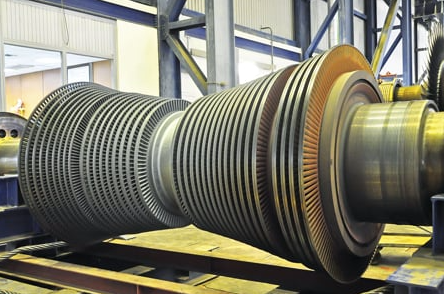
Turbines consist of multiple precision-engineered components, each playing a vital role in energy conversion. Common parts that often require repair include blades, buckets, diaphragms, rotors, casings, and seals. These components are constantly exposed to high-velocity steam or gas, which can cause erosion, thermal fatigue, and mechanical damage. Even minor wear in these parts can lead to reduced efficiency and increased energy consumption. Through professional turbine component repair, these critical elements can be restored, ensuring the turbine continues to operate at peak performance.
The Value of a Full-Service Repair Approach
Not all repair solutions are equal. Comprehensive component repair services provide a complete, end-to-end solution that addresses every stage of the repair process. This includes inspection, diagnostics, material restoration, machining, coating, and heat treatment. A full-service approach ensures that all aspects of the component’s condition are addressed, rather than just fixing visible damage. This results in more durable repairs, improved performance, and longer service life. Power plants benefit from working with providers that offer integrated repair capabilities under one roof.
Inspection and Diagnostics: The First Step to Effective Repair
A successful repair process begins with detailed inspection and diagnostics. Technicians use visual assessments, dimensional measurements, and advanced non-destructive testing (NDT) methods to identify both surface and internal defects. This step is crucial for understanding the extent of wear and determining the appropriate repair strategy. By accurately diagnosing issues early, component repair services help prevent minor defects from escalating into major failures, saving both time and money.
Welding and Material Restoration for Damaged Components
Welding is a fundamental part of turbine component repair, used to rebuild worn or damaged areas. Advanced welding techniques allow technicians to restore material that has been lost due to erosion or cracking. The process requires careful selection of compatible materials to ensure strength and durability. When performed correctly, welding not only repairs damage but also reinforces the component, making it more resistant to future wear. This step is critical for restoring structural integrity and extending component lifespan.
Precision Machining and Dimensional Accuracy
After welding, components often require machining to restore their original shape and dimensions. Precision machining ensures that each part meets exact specifications, which is essential for proper turbine operation. Even slight deviations can lead to inefficiencies, vibration, or leakage. Machining processes also help reprofile surfaces, align components, and maintain tight tolerances. Through accurate machining, component repair services ensure that repaired parts fit seamlessly within the turbine system and perform as intended.
Protective Coatings for Enhanced Durability
Coatings are an important aspect of modern turbine component repair, providing an additional layer of protection against harsh operating conditions. Thermal barrier coatings help components withstand high temperatures, while anti-corrosion coatings protect against moisture and chemical exposure. Erosion-resistant coatings are particularly useful for components exposed to high-velocity steam or gas. By applying advanced coatings, repair providers can significantly extend the life of turbine components and improve overall performance.
Heat Treatment for Strength and Stability
Heat treatment is often required after welding and machining to restore the mechanical properties of turbine components. This process involves controlled heating and cooling to relieve internal stresses, improve hardness, and enhance material strength. Without proper heat treatment, repaired components may be more susceptible to cracking or deformation. As part of comprehensive component repair services, heat treatment ensures that components are not only repaired but also capable of withstanding demanding operating conditions.
Performance Benefits of Turbine Component Repair
Investing in turbine component repair delivers measurable performance benefits. Restored components improve steam or gas flow, reduce leakage, and maintain proper pressure balance within the turbine. This leads to higher efficiency, better energy output, and reduced fuel consumption. Additionally, repaired components operate more reliably, minimizing the risk of unexpected failures. For power plants, these performance improvements translate into increased productivity and lower operating costs.
Reducing Downtime and Operational Costs
Unplanned turbine outages can be extremely costly, both in terms of lost production and emergency repairs. Comprehensive component repair services help reduce downtime by addressing issues before they lead to failure. Faster repair turnaround times also mean turbines can return to service more quickly. By preventing major breakdowns and extending maintenance intervals, repair services play a key role in controlling operational costs and improving overall plant efficiency.
Choosing the Right Turbine Repair Partner
Selecting the right provider for component repair services is critical for achieving high-quality results. Power plants should look for partners with extensive experience, advanced repair capabilities, and a strong commitment to quality. A reliable provider will offer comprehensive services, from inspection to final testing, ensuring consistent and dependable performance. Choosing the right partner not only improves repair outcomes but also supports long-term operational success.
See also: The Role of Technology in Smart Farming
Supporting Predictive Maintenance Strategies
Modern power plants are increasingly adopting predictive maintenance approaches to optimize performance and reduce costs. Turbine component repair plays a key role in this strategy by addressing wear and damage before it leads to failure. By integrating repair services with performance monitoring and data analysis, operators can make informed maintenance decisions. This proactive approach helps extend equipment life, improve reliability, and reduce overall maintenance expenses.
The Future of Component Repair Services
Advancements in technology are transforming the field of turbine component repair. Innovations such as additive manufacturing, advanced coatings, and digital inspection tools are improving repair accuracy and efficiency. These technologies enable more precise restoration of complex components and enhance their durability. As the industry continues to evolve, component repair services will play an even greater role in helping power plants achieve higher efficiency and sustainability.
Conclusion
Comprehensive component repair services are essential for maintaining the performance and reliability of gas and steam turbines. By combining inspection, welding, machining, coatings, and heat treatment, these services restore damaged components and extend their lifespan. For power plants, investing in turbine component repair is a smart strategy that reduces costs, minimizes downtime, and improves efficiency. With the right repair approach and partner, operators can ensure long-term success and maximize the value of their turbine assets.