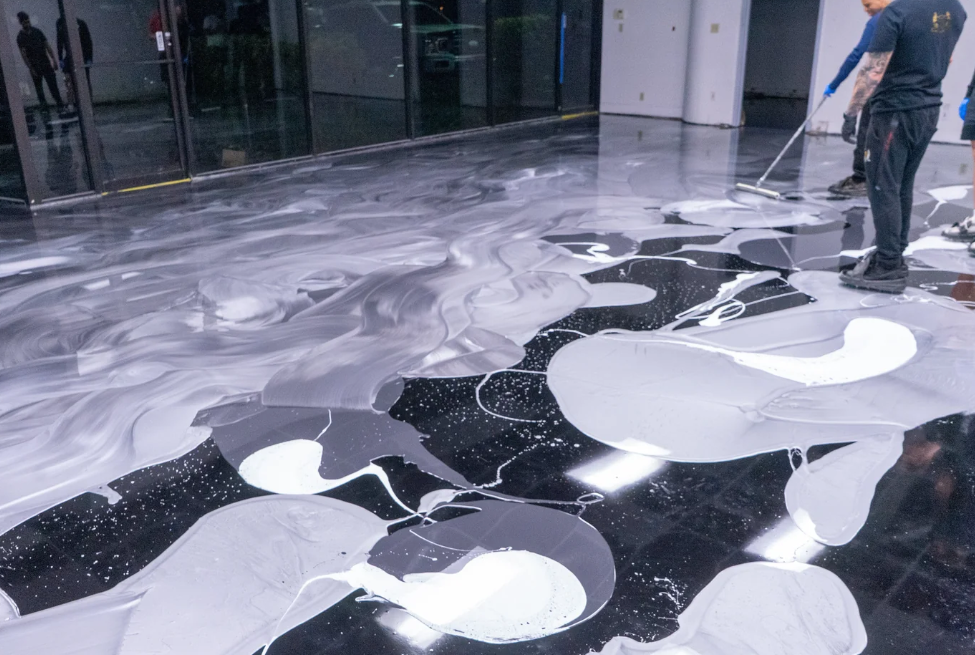
An epoxy floor is often judged by its finished appearance, but the surface people see at the end of a project is only one part of the equation. Beneath the glossy finish is a chain of decisions involving concrete preparation, resin selection, additives, curing conditions, application techniques, and ongoing maintenance. If any of those elements are poorly matched to the environment, an attractive floor can lose its performance sooner than expected. For property owners, contractors, facility managers, and renovation professionals, choosing dependable epoxy floor coating suppliers is therefore about more than finding a product at a competitive price. It involves finding materials that are appropriate for the intended application and supported by clear technical information.
The requirements of an epoxy floor can change dramatically depending on where it will be installed. A residential garage may primarily need protection from vehicle fluids, dirt, tire traffic, and occasional impacts, while a warehouse could experience forklifts, pallet movement, heavy loads, and constant abrasion. Commercial facilities may place greater emphasis on appearance and cleaning, whereas industrial environments can introduce chemicals, machinery, moisture, and demanding operating schedules. These differences affect the formulation, thickness, primer, aggregate, topcoat, and installation method that may be appropriate. Treating every epoxy project as if it requires the same material can create unnecessary expense or, worse, leave a floor underprotected.
The quality of the concrete also has a direct relationship with the final result. Epoxy cannot hide every substrate problem, and applying it over oil, dust, weak concrete, excessive moisture, or incompatible previous coatings can create adhesion problems. A successful installation therefore starts with understanding the slab before selecting the complete system. Product documentation, technical data, preparation requirements, mixing ratios, coverage information, and curing conditions all help installers determine whether a material is suitable for a particular job. When product selection and substrate preparation are considered together, epoxy flooring becomes a technical surface solution rather than simply a decorative upgrade.
Epoxy Flooring Begins With a Clear Understanding of the Job
Before ordering materials, it is worth defining exactly what the finished floor needs to withstand. Traffic levels, equipment weight, chemical exposure, impact, moisture, temperature changes, sunlight, cleaning practices, and expected service life can all influence the coating specification. A low-traffic room may not require the same system as a production area where forklifts and machinery operate every day. Similarly, a decorative floor in a showroom may prioritize appearance differently from a workshop where resistance to oils and mechanical wear is more important.
This assessment also helps determine whether a single epoxy product is sufficient or whether a multi-layer system makes more sense. Some floors may require a primer to improve adhesion, a body coat to build thickness, and a compatible topcoat to provide additional protection. Decorative aggregate or flakes can be incorporated where visual appearance matters, while anti-slip aggregate may be considered where traction is a concern. The goal is to build a system around the floor’s real operating conditions rather than buying materials based on a product label alone.
See also: The Role of Technology in Scientific Research
Product Selection Should Follow Performance Requirements
Not all epoxy formulations are identical. Differences in resin chemistry, solids content, curing characteristics, chemical resistance, abrasion resistance, and intended application can affect how a finished system behaves. Water-based products, solvent-based formulations, and high-solids or 100% solids systems can have different application characteristics and performance profiles. The appropriate choice depends on the project’s requirements, local conditions, installation method, and manufacturer’s specifications.
Technical documentation becomes especially valuable at this stage. Information about mixing, pot life, recommended film thickness, recoat intervals, surface preparation, temperature limits, and curing schedules allows installers to plan the work more accurately. Reliable epoxy floor coating suppliers can also help professionals understand which products are designed to work together and which combinations should be avoided. This reduces the risk of assembling a system from incompatible components simply because each individual product appears suitable when viewed separately.
Where Epoxy Flooring Can Make a Noticeable Difference
Epoxy systems can serve many different environments, but each application presents its own priorities. Understanding those differences helps buyers avoid selecting a coating based solely on appearance or price.
- Residential garages: Resistance to vehicle fluids, tire traffic, dirt, and routine impacts can be important.
- Workshops: The floor may need to tolerate oils, tools, equipment movement, and repeated cleaning.
- Warehouses: Forklift traffic, pallet movement, abrasion, and heavy pedestrian use can place greater demands on the surface.
- Retail spaces: Appearance, cleanability, customer traffic, and suitable surface texture may all influence the specification.
- Industrial facilities: Chemical exposure, machinery, moisture, and demanding cleaning schedules may require a more specialized system.
- Service areas: Frequent spills and maintenance activity can make durability and straightforward cleaning valuable characteristics.
The same material may therefore produce very different results depending on where it is installed. A coating designed for light-duty conditions may not provide sufficient protection in a heavy industrial environment. Conversely, specifying an unnecessarily complex system for a lightly used room can increase costs without delivering meaningful additional benefits. A properly matched system provides a better balance between performance, installation requirements, and overall project value.
Concrete Preparation Is Not a Detail to Be Cut
One of the biggest influences on coating performance happens before the epoxy is mixed. Concrete surfaces can contain dust, grease, oil, curing compounds, laitance, old coatings, and weak material. These contaminants can interfere with adhesion and create weak points beneath the finished surface. Cleaning alone may not always be enough, particularly when the substrate requires mechanical profiling. Grinding, shot blasting, or other preparation methods may be used according to the condition of the concrete and the requirements of the selected system.
Cracks, damaged areas, and moisture conditions also need attention. A coating may cover a minor surface imperfection, but it cannot automatically resolve movement, structural problems, or persistent moisture transmission. Repairs should use compatible materials and follow the requirements of the flooring system. When substrate preparation is treated as a major stage instead of a quick preliminary task, the installer has a better opportunity to create the surface conditions required for reliable adhesion and long-term performance.
Buying Decisions Should Include More Than the Product Name
Price naturally matters when purchasing flooring materials, particularly for large commercial projects where material quantities can become substantial. However, comparing products purely by container price can be misleading. Coverage rate, recommended thickness, number of coats, primer requirements, topcoat requirements, waste, curing time, and application conditions can all affect the actual cost of a completed system. A product with a lower purchase price may not necessarily produce the lowest installed cost.
Documentation and product consistency are also worth considering. Contractors need predictable materials when they are responsible for producing a uniform floor across a large area. Clear batch information, technical documentation, storage guidance, and application instructions can make planning and installation easier. Working with established epoxy floor coating suppliers can give buyers greater confidence that the materials being specified are supported by relevant information and are intended for the application in question.
Application Conditions Can Change the Finished Result
Epoxy materials do not behave independently of their surroundings. Temperature, humidity, concrete temperature, condensation, and ventilation can influence working time and curing. Applying a coating outside its recommended environmental conditions can affect flow, appearance, adhesion, or cure development. Installers should therefore monitor the conditions of both the room and the concrete rather than assuming that the air temperature alone tells the full story.
Mixing and application procedures are equally important. Resin and hardener components generally need to be combined according to the manufacturer’s specified proportions and working process. Once mixed, the material may have a limited working period, making organization and preparation essential. Recoat windows also need to be respected, and the completed floor should remain protected from traffic until the system has developed sufficient cure. These details can determine whether a professionally selected material actually reaches its intended performance.
A Good Supply Partner Can Improve Project Planning
Material sourcing becomes particularly important when a project has a tight schedule or requires several compatible products. Delays in obtaining primers, body coats, topcoats, aggregate, or repair materials can interrupt installation and extend downtime. Planning the complete material requirement before work begins can reduce these problems and make it easier to maintain consistency across the project.
Technical support can also have practical value. Installers may need clarification about substrate preparation, product compatibility, coverage, environmental limitations, or recoat procedures. A supplier that can provide accurate product information helps reduce uncertainty during planning and application. This does not replace the responsibility of the installer to follow manufacturer requirements, but it can make the overall process more organized and predictable.
Maintenance Protects the Surface After Installation
A properly installed epoxy floor can be easier to clean than unfinished concrete, but regular maintenance remains important. Dirt and abrasive particles can gradually wear a surface when repeatedly dragged across it by footwear, tires, carts, or equipment. Removing these materials regularly can help reduce unnecessary surface abrasion. Spills should also be addressed using cleaning methods that are compatible with the installed system, especially where chemicals or automotive fluids are present.
Heavy-use areas deserve periodic inspection because wear is rarely distributed evenly. Entrances, forklift routes, loading zones, workstations, and locations around machinery may experience greater stress than less frequently used sections. Detecting damage early can make localized maintenance more manageable and may reduce the likelihood of a larger repair later. A flooring system should therefore be considered an ongoing asset that benefits from appropriate cleaning, inspection, and timely maintenance.
Final Thoughts
Choosing an epoxy flooring system is ultimately a process of matching materials to conditions. The best result does not necessarily come from selecting the most expensive resin or the product with the most impressive appearance. It comes from understanding the substrate, defining the performance requirements, choosing compatible components, preparing the concrete correctly, and following the manufacturer’s application and curing requirements. Every stage contributes to how the completed floor will behave once it is exposed to real traffic and everyday use.
For that reason, material sourcing deserves the same level of attention as installation. Working with knowledgeable epoxy floor coating suppliers can make it easier to identify appropriate products, obtain technical information, coordinate compatible components, and plan quantities accurately. Combined with sound preparation and skilled application, careful product selection can turn an ordinary concrete slab into a cleaner, more durable, and more practical surface. The finished appearance may be the most visible part of the project, but the decisions made before installation are what give that surface its long-term foundation.