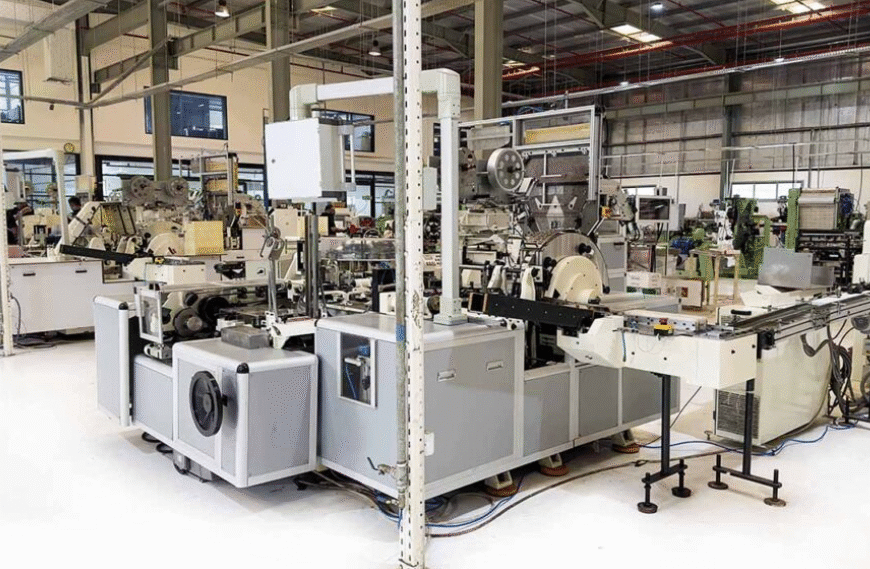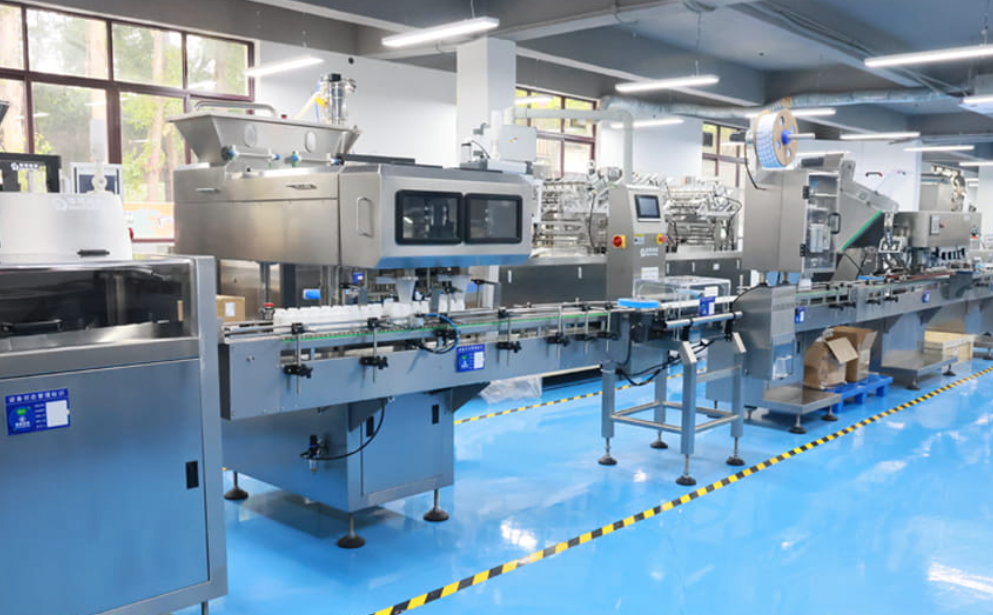
Packaging is often viewed as the final step of manufacturing, but in a busy production facility it can be one of the most complex parts of the entire operation. A finished product may need to be measured, filled, counted, sealed, labeled, inspected, grouped, and prepared for shipment before it can leave the production floor. If these tasks are performed through disconnected processes, small delays can quickly accumulate and create bottlenecks. A well-planned packing line machine can bring multiple stages into a coordinated workflow, helping products move steadily from one operation to another while reducing unnecessary handling and improving consistency.
The challenge is that packaging requirements differ considerably from one industry to another. A food producer may need equipment capable of handling hygiene-sensitive products, while a cosmetics manufacturer may work with small containers and multiple package formats. Pharmaceutical packaging can require strict control and traceability, whereas industrial products may demand greater mechanical strength or larger package dimensions. Even within the same facility, different products may require different filling, sealing, labeling, or inspection methods. Selecting equipment therefore requires a clear understanding of the products, packaging materials, expected output, and available production space.
Automation can offer substantial advantages, but purchasing machinery is only one part of the process. The line needs to be arranged so that materials arrive at the right point, operators can work safely, maintenance teams can reach service areas, and downstream equipment can handle the finished packages. Cleaning and changeovers also influence how much productive time the system provides. When these details are considered from the beginning, packaging automation becomes a coordinated production strategy rather than simply a collection of machines placed next to each other.
Product Behavior Should Guide the Packaging Design
The first question in any packaging project should be what the product is actually like. Liquids, powders, granules, tablets, fresh foods, cosmetics, and solid components behave differently during handling. Some products flow easily, while others may stick, settle, foam, break, or require careful positioning. These characteristics affect the choice of feeders, hoppers, filling systems, conveyors, and other components.
Product dimensions also matter. Items that vary considerably in shape or size may require specialized feeding mechanisms to maintain a reliable flow. Consistent products are generally easier to automate, but even uniform products need suitable handling to avoid jams and damage. By understanding product behavior before specifying equipment, manufacturers can create a packaging process that works with the material rather than forcing it through an unsuitable system.
See also: The Role of Technology in Smart Farming
Packaging Materials Can Create Their Own Challenges
The container or wrapping material can be just as influential as the product inside it. Glass, plastic, paperboard, flexible films, metal containers, and other materials respond differently to pressure, heat, friction, and mechanical handling. A rigid container may move smoothly along a conveyor, while a flexible pouch can require different guidance and positioning.
Package size also affects line configuration. Facilities producing several sizes may need adjustable components or quick-change tooling. If changeovers are frequent, the time required to modify the equipment can have a noticeable effect on overall output. A packaging solution should therefore account for both the most common format and the range of formats the facility expects to handle.
The Main Components of a Coordinated Packaging Line
Although every production line is different, several functions commonly appear in automated packaging operations.
- Feeding systems deliver products consistently to the next stage.
- Filling or dosing equipment controls the quantity placed into each package.
- Conveyors transfer products between individual processes.
- Sealing systems close containers or packages using the required method.
- Labeling equipment applies product identification and other required information.
- Coding systems can add dates, batch information, or tracking details.
- Inspection equipment checks selected quality characteristics.
- Secondary packaging systems group individual units for storage and transportation.
- Palletizing or handling equipment prepares finished packages for warehouse movement.
The purpose of connecting these functions is not simply to make the line look more automated. Each stage needs to operate at a rate that supports the others. If filling runs much faster than labeling, for example, products can accumulate between the two processes. Good line design aims for balanced movement rather than maximum speed from one machine.
Real Throughput Matters More Than the Maximum Number
Equipment brochures often highlight maximum operating speeds, but production environments rarely run under perfect conditions. Material replenishment, cleaning, setup changes, product variations, minor jams, inspection, and operator intervention can all reduce actual output.
For that reason, production planners should estimate realistic throughput rather than building their calculations around a theoretical maximum. A slightly slower system that maintains stable production for long periods can be more valuable than an extremely fast machine that frequently stops. Looking at overall equipment availability and actual operating conditions provides a more useful picture of expected productivity.
Changeovers Can Influence the Economics of Automation
A facility producing only one product may operate continuously for long periods without changing settings. Another manufacturer may switch between several products or package sizes throughout the day. These two operations have very different automation requirements.
When changeovers are frequent, accessible adjustment points and clearly defined setup procedures can save considerable time. Operators may need to replace tooling, change guides, adjust filling parameters, or install different labels and packaging materials. The easier these tasks are to perform correctly, the less production time is lost between runs.
Accuracy Helps Control Waste and Maintain Consistency
Packaging accuracy affects both product quality and operating costs. Filling too much product into every package can create significant material loss over a large production run. Filling too little may create customer or regulatory problems depending on the product and applicable requirements. Consistent sealing, labeling, and coding are also important because packaging defects can result in rejected units.
Automated sensors and control systems can help maintain consistency, but they should not be treated as completely maintenance-free solutions. Calibration, inspection, cleaning, and appropriate settings remain necessary. Monitoring the system can also help identify gradual changes in performance before they become widespread quality problems.
Hygiene Needs to Be Considered From the Beginning
For products such as food, beverages, cosmetics, and pharmaceuticals, cleaning requirements can influence equipment selection as much as speed or capacity. Product-contact surfaces and areas where residue can accumulate need to be considered carefully. The design should support the facility’s cleaning and sanitation procedures.
Downtime associated with cleaning also affects productivity. If equipment takes a long time to disassemble or access, frequent sanitation cycles can reduce available production hours. Practical access to relevant components can make routine cleaning and inspection more manageable. Hygiene requirements should therefore be included in the initial design discussion instead of being added after equipment has already been selected.
Floor Layout Can Make or Break the Workflow
Even highly capable packaging equipment can underperform if it is installed in a poorly organized production area. Operators need sufficient room to work, materials must be delivered without obstructing production, and finished products need a clear route toward storage or dispatch.
Maintenance access is equally important. Technicians should be able to reach relevant components without dismantling unrelated equipment or blocking major production routes. The line should also allow safe movement around conveyors and machinery. Considering these factors during layout planning can prevent operational problems that are difficult and expensive to correct later.
Maintenance Protects the Investment
Packaging lines can contain many mechanical and electronic components, meaning one small failure can sometimes interrupt several connected operations. Preventive maintenance helps reduce this risk by identifying worn components, abnormal movement, sensor problems, leaks, or other developing faults.
Maintenance planning should include suitable replacement parts, service documentation, inspection schedules, and trained personnel. Operators can also contribute by reporting unusual sounds, repeated alarms, inconsistent output, or other changes in machine behavior. Early attention to these signs can prevent minor problems from becoming extended production stoppages.
Automation Still Depends on Skilled Operators
A fully automated line still needs people who understand how it works. Operators may be responsible for preparing materials, selecting production settings, monitoring output, handling changeovers, performing routine checks, and responding to alarms.
Training becomes particularly important when one line handles several products or packaging formats. Employees need to understand which settings apply to each product and how to identify problems before defective packages move further through the process. Consistent procedures across different shifts can also reduce variation and improve production reliability.
The Last Packaging Stage Should Not Become the Next Bottleneck
Packaging efficiency cannot be measured only until the product leaves the sealing machine. Finished packages may still need inspection, case packing, palletizing, wrapping, storage, and transportation. If these downstream processes cannot handle the output, products can accumulate and reduce the benefit gained from earlier automation.
A complete production review should therefore follow the package all the way to dispatch. Storage capacity, conveyor routes, pallet handling, loading areas, and shipping schedules can all influence how smoothly finished products leave the facility. When the entire journey is considered, manufacturers can identify bottlenecks that would otherwise remain hidden.
Final Thoughts
The strongest packaging systems are designed as connected workflows rather than isolated pieces of equipment. Product characteristics, packaging materials, throughput, changeovers, accuracy, hygiene, floor space, maintenance, and operator responsibilities all contribute to the final performance of the line. Giving attention to these details before purchasing equipment can help manufacturers avoid costly mismatches and create a system that works effectively under real production conditions.
A carefully selected packing line machine can help turn multiple repetitive packaging tasks into a more organized and consistent process. Its greatest value comes when it works smoothly with feeding, filling, conveying, sealing, inspection, secondary packaging, and dispatch operations. By looking at the complete production journey instead of focusing on one machine specification, businesses can build packaging workflows that are easier to manage today and better prepared for future changes in volume, products, and packaging formats.