Waterproofing is one of those parts of a construction project that often remains hidden after the work is completed. Once walls are covered, roofs are finished, or underground structures are backfilled, the waterproofing layer is no longer easy to inspect. Yet its performance can have a direct effect on the condition of the building for years. This makes the selection of waterproofing materials an important decision during project planning rather than something that should be left until the final stages of construction.
The choice becomes more complicated because buildings are exposed to different moisture conditions. A roof may receive direct rainfall and sunlight, while a basement can experience groundwater pressure from outside. Balconies, terraces, retaining walls, bathrooms, foundations, and industrial structures all have their own requirements. A coating needs to be compatible with the surface and the environment in which it will be installed.
For this reason, choosing a waterproof coating manufacturer can influence more than the material delivered to the site. The manufacturer’s product range, technical documentation, application guidance, compatible systems, and ability to support project-specific requirements can all affect how easily waterproofing is specified and installed.
Waterproofing Should Be Considered During Project Design
A common mistake is to treat waterproofing as a finishing activity. In reality, moisture management can influence details that are decided much earlier in the construction process. Drainage, surface slopes, joints, cracks, penetrations, concrete quality, and access for application can all affect the final waterproofing system.
When waterproofing requirements are considered during design, the project team has more opportunity to select an appropriate system. The coating can be matched to the substrate, exposure conditions, expected movement, and location of the water barrier.
This approach also makes it easier to identify areas where a coating alone may not be sufficient. Some locations may require membranes, sealants, joint treatments, drainage systems, or structural repairs alongside the main waterproofing layer.
See also: Advanced Apparel Simulation Technology: Engineering the Digital Thread
Every Waterproofing Area Has a Different Story
A building should not be treated as one large surface. Different areas experience different combinations of water, temperature, movement, and physical contact.
A rooftop may require resistance to ultraviolet exposure and repeated weather changes. A basement may need protection against moisture from surrounding soil. A parking structure may experience vehicle traffic and mechanical abrasion. A bathroom may have frequent water exposure but comparatively low mechanical stress.
These differences explain why manufacturers offer multiple coating technologies and grades. Product selection becomes more meaningful when the exact location and environmental conditions are understood before application begins.
Compatibility Can Prevent Problems Later
One of the most important questions during product selection is whether the coating is compatible with the existing substrate. Concrete, cement render, masonry, metal, timber, tiles, and previously coated surfaces can all behave differently.
A smooth substrate may require mechanical preparation or a primer to achieve sufficient adhesion. A porous material may absorb the first layer differently from a dense surface. Existing coatings can introduce another variable because the new system may not bond correctly with an unstable or incompatible layer.
Checking compatibility before installation can prevent problems that are expensive to correct later. Manufacturers usually provide technical information describing suitable substrates and preparation requirements, making this documentation an important part of the selection process.
Construction Details Often Matter More Than Large Flat Areas
Large surfaces are usually easier to coat than complicated construction details. Corners, joints, pipe penetrations, drains, changes in material, cracks, and movement joints can create areas where water finds a path through the system.
A waterproofing plan therefore needs to account for these details. A coating may need reinforcement, sealant, primer, additional layers, or another compatible component depending on the design.
Manufacturers with broader waterproofing systems can sometimes provide complementary products designed to work together. This can simplify specification because the contractor is not forced to combine unrelated materials from several sources without knowing whether they are compatible.
Application Conditions Can Change the Outcome
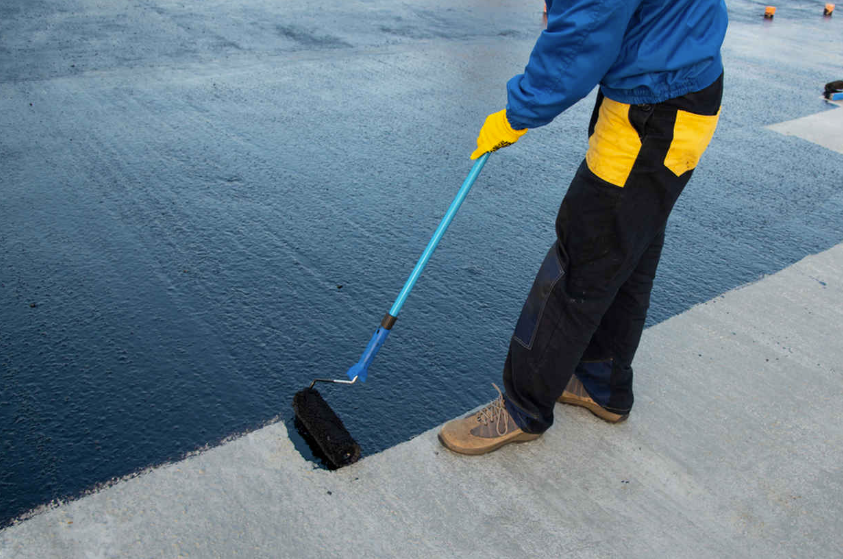
A coating’s performance depends partly on the conditions present during application. Temperature, humidity, substrate moisture, ventilation, and weather can all affect drying and curing.
This becomes particularly important on exterior projects. A sudden rain shower can interfere with an uncured coating, while excessive heat can influence working time. A damp substrate can also create adhesion or curing problems for products that require specific surface conditions.
For this reason, contractors should follow the application limits provided by the manufacturer. Product instructions are not merely recommendations about technique. They are part of the conditions under which the coating has been designed to perform.
Coverage and Thickness Need Proper Planning
Waterproofing materials are often specified according to coverage or required film thickness. Applying less material than required can result in an incomplete protective layer, while unnecessarily heavy application can create other problems depending on the formulation.
Accurate estimation therefore becomes part of project planning. The surface area, substrate texture, number of coats, application method, and expected wastage should all be considered when calculating material requirements.
Large projects benefit from this type of planning because material shortages can interrupt application. Ordering too much material can also create unnecessary storage requirements and increase project costs. Clear technical data from the manufacturer can help project teams make more realistic calculations.
Waterproofing Needs to Work With Other Trades
Construction sites rarely involve one trade working independently. Waterproofing may take place alongside concrete work, plumbing, electrical installations, tiling, insulation, roofing, and finishing operations.
Coordination is especially important around penetrations and service routes. A pipe installed after waterproofing may require the affected area to be properly resealed. Similarly, later drilling or fixing can damage an otherwise continuous waterproofing layer.
Planning communication between trades can reduce these risks. Waterproofing should be identified as a protected construction stage rather than something that can be freely disturbed by later work.
Documentation Can Make Future Maintenance Easier
Waterproofing is often hidden after construction, which means documentation can become valuable later. Project records can identify the coating system used, application areas, batch information, preparation procedures, and any special detailing.
This information can help future maintenance teams understand what materials are present before repairs or modifications are carried out. Without records, a building owner may have difficulty identifying the original system years after installation.
Manufacturers that provide clear technical and product documentation can therefore contribute to better project records. For larger developments, this information can become part of the building’s wider maintenance documentation.
Long Term Maintenance Should Influence the Original Choice
A waterproofing system should not only be judged by installation performance. The project team should also consider what will happen after several years of exposure.
Some surfaces may need periodic inspection or recoating. Others may be vulnerable to mechanical damage from equipment, vehicles, maintenance work, or later construction activities. Exterior surfaces may also experience gradual weathering.
Understanding these future requirements before installation can make maintenance easier. A system that is accessible, repairable, and supported by clear manufacturer information may be easier to manage throughout the building’s service life.
Manufacturer Support Can Help During Difficult Projects
Technical questions often arise once work begins. The contractor may discover an unusual substrate, unexpected moisture, an existing coating, or a construction detail that was not obvious during initial planning.
A manufacturer with technical support can help project teams interpret product requirements and determine whether adjustments are needed. This can be particularly useful when working on large structures or unfamiliar applications.
The value of this support is not limited to troubleshooting. Manufacturers can also help during specification, product selection, system compatibility checks, and application planning, depending on the level of service they provide.
Project Cost Is More Than the Purchase Price
The cheapest coating per container is not necessarily the lowest-cost waterproofing solution. Material coverage, number of coats, preparation requirements, labour, curing time, equipment, wastage, and future maintenance can all affect the total project cost.
A product that requires extensive preparation or several additional components may have a different overall cost from one that appears more expensive at the initial purchase stage.
This is why project teams often benefit from considering the complete application system rather than comparing container prices alone. The goal is to understand how the product fits into the entire construction workflow.
Making the Selection More Practical
A structured selection process can make waterproofing decisions easier. The first step is to identify the location and moisture exposure. The next is to understand the substrate, movement, expected traffic, environmental conditions, and desired service life.
After these requirements are established, manufacturers can be compared based on suitable products, technical documentation, application guidance, compatible systems, availability, and project support.
This approach moves the decision away from generic waterproofing claims and toward actual project requirements. It also gives contractors and property owners clearer reasons for selecting one system over another.
Final Thoughts
Waterproofing may remain hidden once a building is completed, but the decisions behind it can influence the structure for many years. Product compatibility, construction detailing, application conditions, coordination with other trades, and future maintenance all deserve attention before the coating reaches the site.
A waterproof coating manufacturer can play an important role in this process by providing suitable systems, technical information, application guidance, and product support. The relationship between manufacturer and project team can therefore extend well beyond the initial purchase.
When waterproofing is treated as part of the overall construction strategy rather than a last-minute finishing task, product selection becomes more deliberate. That approach can help project teams create systems that are easier to install, maintain, document, and manage over the long term.
Frequently Asked Questions
Why should waterproofing be considered during the design stage?
Early planning allows waterproofing requirements to be coordinated with drainage, joints, penetrations, concrete work, and other construction details before they become difficult to modify.
Can one coating be used throughout an entire building?
Not necessarily. Different areas may experience different moisture levels, movement, temperatures, traffic, and environmental exposure. Product selection should reflect those conditions.
Why is substrate compatibility important?
A coating needs to adhere properly to the surface beneath it. Differences in porosity, texture, moisture, movement, and existing coatings can affect adhesion and long-term performance.
Does coating thickness matter?
Yes. Many systems have specified coverage or thickness requirements. Applying an unsuitable amount can affect the performance and durability of the finished waterproofing layer.
Can other construction work damage waterproofing?
Yes. Drilling, plumbing modifications, mechanical fixing, and other later activities can damage a waterproofing layer if they are not properly coordinated and repaired.
What information should a manufacturer provide?
Depending on the product, useful documentation can include technical data sheets, application instructions, substrate requirements, coverage information, curing conditions, storage guidance, and compatibility information.
Should waterproofing products be selected only by price?
No. Material price is only one part of the overall cost. Labour, preparation, coverage, application complexity, maintenance, and expected service requirements can all influence the total project cost.