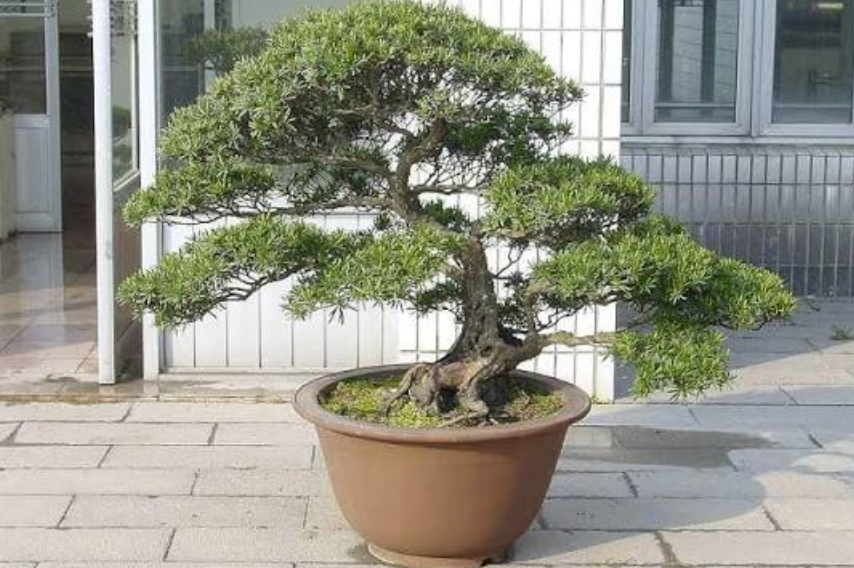
Plants have always played an important role in shaping living spaces, but modern design increasingly focuses on greenery that delivers more than simple decoration. Homeowners, landscape planners, and bonsai enthusiasts often look for plants that provide structure, visual balance, and long-term appeal. Among the many species used for these purposes, Podocarpus has developed a reputation for offering an elegant combination of form and adaptability.
The podocarpus buddhist pine is valued for its refined foliage, upright growth habit, and ability to develop a distinctive tree-like appearance over time. Whether displayed as a bonsai specimen or incorporated into a larger landscape design, it can contribute a sense of permanence and natural character that complements a wide variety of settings.
Unlike highly ornamental plants that depend on flowers or seasonal colour for impact, Podocarpus creates interest through its shape and texture. This quality allows it to remain visually relevant throughout the year while continuing to develop with age.
A Tree That Prioritizes Structure
Many decorative plants attract attention through bright blooms or dramatic foliage patterns. Podocarpus follows a different path by emphasizing structure.
Its branches and foliage work together to create a clean, organized appearance that can suit both traditional and contemporary environments. This structural quality becomes increasingly noticeable as the tree matures.
For bonsai enthusiasts, the natural framework of the tree provides opportunities for shaping and refinement. For landscape designers, the same characteristics can help create visual rhythm and balance within a larger planting scheme.
The appeal lies not in temporary features but in the lasting form that develops over time.
See also: Advanced Apparel Simulation Technology: Engineering the Digital Thread
Why Texture Matters in Plant Design
Texture is often overlooked when selecting plants, yet it plays a major role in how landscapes and interior displays are perceived.
Podocarpus produces narrow foliage that creates a fine-textured appearance. This can provide contrast when placed near broader-leaf plants or architectural features with strong lines.
The resulting visual balance helps prevent a planting area from feeling overly dense or monotonous. Instead, different textures interact to create a more dynamic composition.
This characteristic is one reason Podocarpus can be used successfully in a variety of design styles ranging from minimalist gardens to traditional bonsai displays.
Long-Term Visual Development
One of the most appealing aspects of cultivating trees is watching them evolve. Unlike annual plants that complete their life cycle quickly, trees continue to develop year after year.
Podocarpus demonstrates this gradual transformation particularly well. Branches become more defined, trunks gain character, and overall proportions can improve through careful management.
This ongoing development means that the tree’s value often increases through time rather than diminishing after the initial purchase.
For many growers, this process is one of the most rewarding parts of ownership. The tree becomes a reflection of years of observation and care.
A Natural Choice for Bonsai Enthusiasts
Bonsai cultivation requires species that respond well to shaping while maintaining a convincing miniature-tree appearance.
Podocarpus offers qualities that align with these goals. Its growth habit allows for the development of layered branching, while its foliage can contribute to a balanced canopy when managed properly.
Because bonsai is a long-term practice, species selection often focuses on future potential rather than immediate appearance. Podocarpus provides opportunities for gradual refinement that can continue for many years.
This makes it attractive to enthusiasts who enjoy the process of development as much as the finished result.
Integrating Trees Into Modern Living Spaces
Contemporary design often seeks to create stronger connections between indoor and outdoor environments. Plants play an important role in this transition.
A well-positioned tree can soften architectural lines, introduce natural texture, and create a focal point without overwhelming the surrounding space.
Podocarpus can work particularly well in this context because its appearance is both refined and adaptable. It can complement modern materials such as stone, glass, and wood while maintaining a natural presence.
Its understated character allows it to contribute to a space without competing with other design elements.
Environmental Conditions Influence Success
Like all plants, Podocarpus depends on appropriate environmental conditions to remain healthy.
Light, temperature, humidity, and airflow all influence growth and overall appearance. Understanding these factors helps owners provide an environment that supports long-term development.
A suitable location can encourage stronger foliage and more consistent growth, while an unsuitable setting may limit the tree’s potential regardless of how carefully other aspects of care are managed.
Observation is therefore one of the most valuable tools available to any grower.
Pruning as a Design Tool
Pruning is often associated with controlling size, but its role extends much further.
Through selective pruning, growers can guide the shape of the tree, encourage branching, and reveal important structural features. This process helps maintain visual balance while supporting the intended design.
For Podocarpus, pruning can highlight the relationship between trunk, branches, and foliage. Rather than simply removing growth, it becomes a way of directing future development.
Over time, these decisions contribute significantly to the overall character of the tree.
The Relationship Between Container and Tree
In bonsai cultivation, the container is an important part of the presentation.
A well-chosen container can enhance the visual impact of the tree while also supporting healthy root development. Size, depth, colour, and style all influence how the composition is perceived.
The relationship should feel balanced. A container that dominates the tree can distract from its structure, while one that is too small may create practical limitations.
Successful bonsai presentation combines aesthetic harmony with horticultural functionality.
Appreciating Seasonal Change
Trees respond naturally to changing environmental conditions throughout the year.
These responses can affect growth rates, water requirements, and overall appearance. Understanding seasonal patterns allows owners to adapt their care routines accordingly.
Rather than expecting the tree to remain identical every month, experienced growers recognize that variation is part of the natural cycle.
This perspective encourages closer observation and a deeper understanding of how the tree interacts with its environment.
Creating Visual Balance in a Collection
Collectors often seek diversity within their bonsai displays. Different species contribute different textures, forms, and growth habits.
Podocarpus can provide an elegant contrast to flowering bonsai, broad-leaf varieties, or species with more dramatic silhouettes.
Its structured appearance can help create balance within a collection while still maintaining its own identity.
The result is a display that feels more dynamic and visually engaging.
Why Patience Remains Essential
One of the defining characteristics of bonsai is the role of time. Significant improvements rarely occur overnight.
A branch that seems insignificant today may become an important structural feature in the future. Likewise, careful cultivation over many years can transform an ordinary tree into a remarkable bonsai specimen.
Podocarpus rewards this patient approach. Its gradual development encourages growers to think beyond immediate results and focus on long-term goals.
This mindset is one reason bonsai remains such a unique and satisfying pursuit.
Final Thoughts
Trees bring a sense of stability and natural beauty to the environments they occupy. Whether used in bonsai cultivation or broader landscape design, their value often increases through years of growth and refinement.
The podocarpus buddhist pine stands out because of its structured form, elegant foliage, and potential for long-term development. These qualities allow it to contribute meaningfully to both artistic bonsai projects and thoughtfully designed spaces.
For growers and plant enthusiasts alike, the species offers an opportunity to participate in an ongoing process of cultivation and observation. With appropriate care and patience, it can become a lasting feature that continues to evolve and improve over time.
FAQs
What is Podocarpus commonly used for?
Podocarpus is frequently used in bonsai cultivation, ornamental planting, and landscape design because of its structured growth and attractive foliage.
Why is Podocarpus popular among bonsai enthusiasts?
Its growth habit, foliage texture, and ability to develop a convincing miniature-tree appearance make it suitable for long-term bonsai projects.
Does Podocarpus require regular pruning?
Pruning is generally used to maintain shape, encourage balanced growth, and support the overall design of the tree.
How important is light for Podocarpus?
Light plays a significant role in healthy growth and foliage development. Appropriate placement can influence the long-term success of the tree.
Can Podocarpus be combined with other bonsai species?
Yes. Its refined texture and structured appearance can provide contrast and balance within a diverse bonsai collection.
Why is patience important when growing bonsai?
Meaningful structural development often occurs gradually over many years, making patience a key part of successful bonsai cultivation.
What makes Podocarpus visually distinctive?
Its narrow foliage, elegant form, and naturally organized branching pattern contribute to its unique appearance.