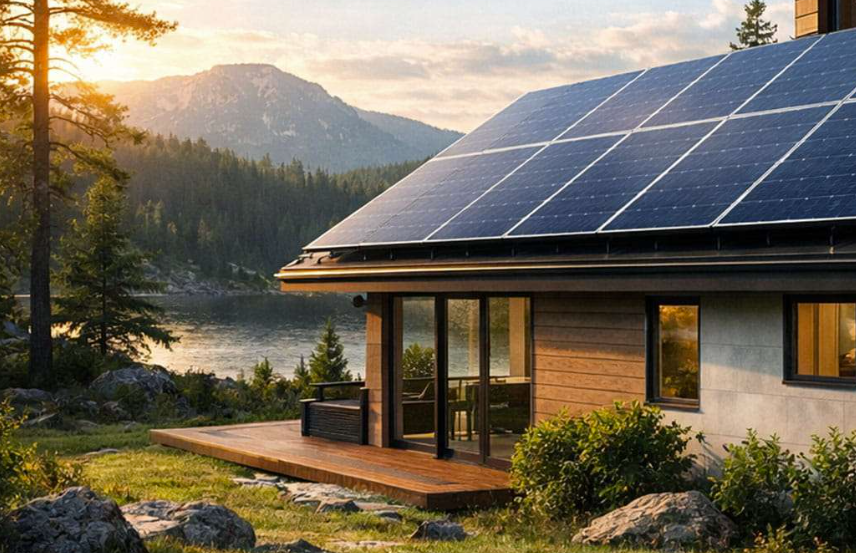
Living away from a conventional electricity network can offer privacy, flexibility, and a closer connection with the surrounding environment. It can also introduce a practical challenge that is easy to underestimate: every unit of electricity has to be produced, managed, or stored within the property itself. For a remote cabin, rural home, workshop, agricultural building, or isolated residence, electricity planning therefore becomes part of the property’s everyday operation rather than something handled entirely by an outside utility.
An off-grid solar inverter plays an important role in this type of setup because independent solar systems need more than panels and batteries. Electricity generated by solar modules must be converted into a form suitable for household equipment, while available energy may need to be distributed between immediate consumption and battery storage. The inverter becomes part of the system that allows these different electrical processes to work together.
This way of producing electricity also changes how people think about reliability. In a conventional grid-connected property, homeowners generally use electricity whenever required and let the wider network handle fluctuations in supply and demand. An independent solar system works differently. Its reliability depends on thoughtful sizing, realistic consumption estimates, battery reserves, equipment compatibility, and an understanding of how the property actually uses energy throughout the day.
Remote Properties Have Different Energy Priorities
A remote property rarely has the same electricity requirements as a typical urban home. Some locations may use electricity mainly for lighting, refrigeration, communication equipment, and small appliances. Others may depend on pumps, workshop tools, heating systems, cooling equipment, or agricultural machinery.
This makes the purpose of the building particularly important when planning an independent solar installation. A weekend cabin may have long periods of low consumption followed by short periods of heavier use. A permanent rural residence may require electricity every day, including during periods when solar generation is limited.
The physical environment matters as well. Remote properties may have limited access to technical services, making equipment reliability and straightforward monitoring more valuable. A system that is difficult to understand or maintain can create unnecessary complications when professional assistance is several hours away.
See also: Modern Styling Techniques Used by a Hair Salon in Centerville
Electricity Planning Starts With the Building
Before choosing equipment, it is useful to understand how electricity moves through the property. Lighting, refrigeration, communications equipment, pumps, computers, and heating or cooling systems all contribute differently to the overall load.
Some appliances operate continuously, while others are used only for a few minutes at a time. Refrigerators may cycle throughout the day, whereas power tools can create short periods of very high demand. These differences can influence both energy requirements and inverter performance.
A useful energy plan therefore considers two separate questions. The first is how much electricity the property consumes over a typical day. The second is how much power may be required at the same moment. These measurements are related, but they are not identical.
A system can have enough stored energy for an entire day and still struggle if several high-demand appliances operate simultaneously. Understanding this distinction can help create a more balanced solar installation.
Why Battery Reserves Become Especially Important
Solar generation naturally follows daylight conditions, while household demand continues after sunset. In remote properties, the battery is often the bridge between these two periods.
During strong sunlight, solar panels may produce more electricity than the property immediately needs. Instead of allowing all excess generation to go unused, the system can direct available energy toward battery storage. Later, stored electricity can support household loads when solar production declines.
Battery capacity should therefore be considered alongside consumption patterns rather than viewed as an isolated specification. A household that needs substantial evening electricity may require more storage than a property where most activities occur during daylight hours.
Battery reserves also provide an important planning margin. Extended cloudy conditions can reduce solar production, so maintaining sensible reserve levels can help the system cope with temporary changes in weather without forcing users to immediately reduce essential consumption.
The Difference Between Essential and Flexible Loads
One useful way to manage an independent energy system is to separate essential electricity consumption from flexible loads.
Essential loads may include refrigeration, lighting, communications equipment, security systems, water pumps, or other appliances that need to remain available. Flexible loads may include certain workshop tools, entertainment equipment, laundry appliances, or other devices that can be operated at more convenient times.
This distinction allows energy to be prioritized according to importance. Instead of treating every appliance as equally urgent, the household can make better use of available solar generation and battery reserves.
Energy monitoring can make this approach even more effective. When homeowners understand which devices consume the most electricity, they can adjust daily habits without necessarily reducing comfort across the entire property.
Equipment Selection Should Reflect the Environment
Remote installations can face environmental conditions that differ significantly from those in controlled indoor spaces. Temperature, dust, moisture, ventilation, and exposure to the surrounding environment may all influence equipment performance.
Where an inverter and battery system is installed can therefore matter almost as much as which equipment is selected. Suitable protection from environmental exposure, adequate ventilation, and appropriate electrical installation practices can help create better operating conditions.
The same principle applies to solar panels. Their position can influence how much sunlight they receive throughout the day, while shading from trees, buildings, terrain, or seasonal changes can affect generation.
For remote properties, these details deserve attention because the system may have fewer alternatives when something underperforms. A small design mistake can become more noticeable when there is no nearby utility connection to compensate for it.
Monitoring Turns Electricity Into Useful Information
One of the advantages of modern solar systems is the ability to monitor their operation. Instead of simply knowing whether electricity is available, users can often review information about solar production, battery status, consumption, and system performance.
This information can reveal patterns that are difficult to notice through everyday use. A homeowner might discover that a particular appliance consumes more electricity than expected or that battery levels regularly fall during a specific part of the night.
Over time, these observations can improve energy planning. Users can change appliance schedules, investigate unusual consumption, or reconsider future equipment additions based on actual operating data rather than assumptions.
Monitoring is particularly useful for remote properties because it can provide greater visibility into the system even when the equipment itself is located away from populated areas.
Preparing for Periods of Low Solar Production
No solar system operates under perfect conditions every day. Cloud cover, seasonal changes, storms, and shorter daylight periods can all influence generation.
For an off-grid property, planning for these periods is essential because there may be no utility network available to fill the gap automatically. Battery reserves, energy-efficient appliances, additional solar capacity, and carefully managed loads can all contribute to resilience.
Some properties may also incorporate another backup energy source depending on their requirements and local conditions. The important point is that backup planning should be considered before a shortage occurs rather than after the system has already reached critically low reserves.
A realistic design therefore considers not only average sunny-day performance but also what happens when conditions become less favorable.
Building a System That Matches Real Life
Technology alone cannot determine whether an independent power system works well. The habits of the people using the property are equally important.
If electricity-intensive equipment is regularly operated during strong sunlight, the system can make more direct use of solar generation. If large loads are concentrated late at night, greater battery capacity may become more important.
This relationship between equipment and behavior is often overlooked. A technically capable system can still perform poorly when daily electricity use does not match its design assumptions.
For that reason, energy planning should involve realistic conversations about how the property will actually be used. Weekend occupancy, seasonal visits, permanent residence, agricultural work, home offices, workshops, and future appliances can all change the electricity profile.
Looking Beyond Initial Installation
An independent solar system should ideally be viewed as a long-term infrastructure project. The electricity requirements of a property can change as new appliances are added or the building’s purpose evolves.
A small remote cabin may eventually become a full-time residence. A rural workshop may acquire additional machinery. A farm building may introduce automated equipment or monitoring systems.
Thinking about these possibilities early can prevent unnecessary limitations later. Equipment compatibility, available installation space, battery expansion options, and inverter capacity can all influence how easily the system adapts to changing requirements.
The goal is not necessarily to install the largest possible system from day one. Instead, the objective is to create a sensible foundation that can support realistic future needs.
Final Thoughts
Remote living requires a different relationship with electricity. Instead of treating power as an unlimited service delivered from a distant network, homeowners must understand where energy comes from, where it is stored, and when it is being consumed.
An off-grid solar inverter forms an important part of that relationship by helping transform and manage electricity within an independent solar setup. Its role becomes especially meaningful when combined with suitable solar generation, adequate battery storage, sensible load planning, and reliable monitoring.
For anyone considering an independent energy system, the most valuable approach is to start with the property itself. Understanding its environment, occupancy, appliances, energy habits, and future requirements can provide a much stronger foundation for selecting and designing the technology that follows.
Frequently Asked Questions
What type of property can use an off-grid solar system?
Remote homes, cabins, workshops, agricultural buildings, and other properties without dependable grid access can potentially use an independent solar system when it is appropriately designed for their electricity requirements.
Why is energy consumption important when planning an off-grid system?
Energy consumption determines how much electricity needs to be generated and stored. Understanding both daily energy use and peak power demand helps create a system that matches actual operating conditions.
Can batteries provide electricity at night?
Yes. Batteries can store electricity generated during periods of solar production and make that stored energy available later, including after sunset.
What happens when several high-power appliances run together?
The system needs enough inverter capacity to handle the combined electrical demand. High-power appliances can create significant instantaneous loads, so peak demand should be considered during system planning.
Does weather affect off-grid solar performance?
Yes. Cloud cover, seasonal daylight changes, storms, and other environmental conditions can reduce solar generation. Battery reserves and sensible energy management can help the system cope with these changes.
Can an off-grid solar system support future expansion?
Potentially, but expansion depends on the original system architecture, inverter compatibility, battery technology, available solar capacity, and electrical design. Considering future requirements early can make later upgrades more practical.