Turkey has become one of the most talked-about destinations for hair restoration, and the volume of online advice can be overwhelming. Some of it is helpful, while much of it is marketing dressed up as information. This guide sets out the practical facts: what shapes the cost of treatment, how the experience compares with having surgery in the United States, and what the months after the procedure usually look like.
Fact 1: The Procedure Itself Is the Same Science Everywhere
A modern hair transplant moves follicular units, the natural clusters of one to four hairs, from a donor area to thinning or bald zones. The donor area is usually the back and sides of the scalp, where follicles tend to be less sensitive to the hormone dihydrotestosterone (DHT). Because these follicles keep that resistance after being moved, transplanted hair usually continues to grow in its new position.
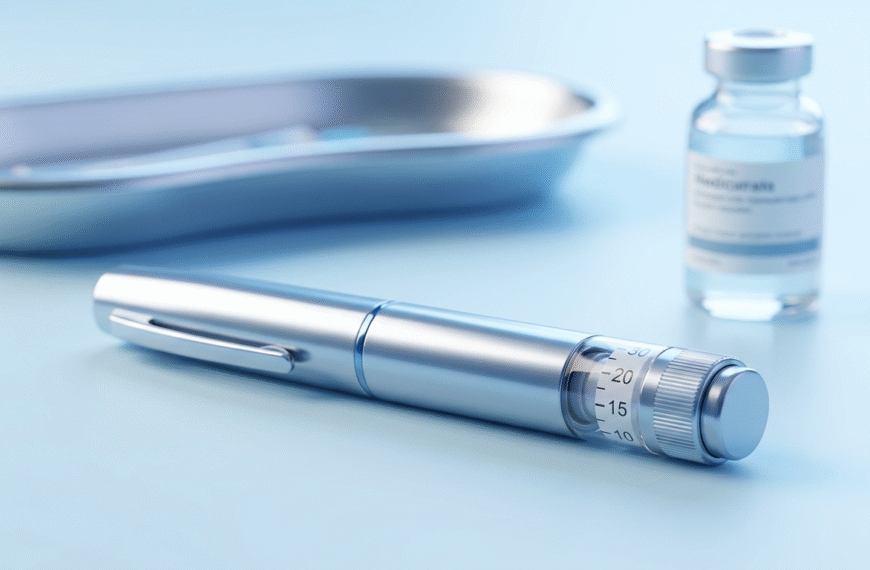
The two most common harvesting approaches are FUE, where grafts are removed one at a time with a tiny punch, and DHI, where an implanter pen places each graft directly. Neither technique belongs to any one country. The quality of the result depends on the medical team, the planning and the patient’s donor supply, not on the passport stamp.
What a typical treatment day involves
- a consultation and hairline design, often drawn on the scalp
- blood tests and a review of medical history
- local anaesthesia to numb donor and recipient areas
- graft extraction, followed by channel opening and implantation
- bandaging, aftercare instructions and a follow-up appointment for the first wash
See also: The Role of Technology in Scientific Research
Fact 2: Several Variables Drive the Cost
Quoted prices for treatment vary widely, and a single headline figure rarely tells the full story. Understanding the main cost drivers makes it easier to compare offers fairly. The page on hair transplant cost in Turkey explains how these factors fit together, but the core variables are worth knowing in advance.
The main factors behind a quote
- Number of grafts: larger areas of loss need more grafts and more time.
- Technique: DHI and sapphire-blade methods can take longer and use different equipment.
- Who performs which step: the degree of direct surgeon involvement affects staffing.
- Facility type: a licensed hospital setting involves different standards and overheads from a small practice.
- What is bundled: hotel nights, airport transfers, medication, aftercare products and interpreter support.
- Additional treatments: some packages include PRP sessions or follow-up reviews; others charge separately.
Lower living and operating costs in Turkey are one reason prices there often compare favourably with many Western countries. Exchange rates and the competitive market also play a role. That said, a lower price should never be the only reason to choose a provider. Always ask for a written, itemised quote that states the planned graft range, the technique and exactly what is included.
Fact 3: The US and Turkey Differ More in Logistics Than in Medicine
Comparing a hair transplant in the US vs Turkey is mostly a comparison of systems, schedules and support rather than of the surgery. In the United States, many patients book with a local practice, attend several in-person consultations and return home the same evening. Follow-up visits are easy to arrange because the surgeon is nearby.
In Turkey, treatment is usually organised as a short medical trip. Many patients arrive a day before surgery, have the procedure, return for a check and the first wash, then fly home within a few days. Package arrangements often handle transport and accommodation, which simplifies the trip but makes it important to understand who is responsible for each part.
Points of comparison worth weighing
- Regulation: both countries license doctors and facilities; verify the licence wherever you go.
- Consultation style: US practices often meet in person first, while Turkish providers frequently start with photos and video calls.
- Travel time: a long-haul flight adds fatigue and needs to fit around early aftercare rules.
- Follow-up: local care is simpler at home; abroad, ask how remote reviews and questions are handled.
- Language: confirm that a medical interpreter or English-speaking doctor will be available.
Neither route is automatically safer. A careful patient checks credentials, asks direct questions and avoids any provider that pressures for a quick decision.
Fact 4: Safety Checks Are the Patient’s Responsibility Too
Hair restoration is surgery, even if it is minimally invasive. Before booking, confirm that the procedure takes place in a licensed health facility and that a qualified doctor is responsible for the medical decisions. Ask who will perform the extraction and implantation, how many procedures are scheduled on the same day, and what happens if a complication arises after you return home.
Share your full medical history, including blood thinners, diabetes, heart conditions or skin disorders. A responsible team may decline treatment or ask for further tests, which is a good sign rather than an inconvenience. It is also sensible to discuss whether medication such as minoxidil or finasteride might be advised to protect the hair you still have, since a transplant does not stop ongoing loss.
Fact 5: Recovery Unfolds Over a Full Year
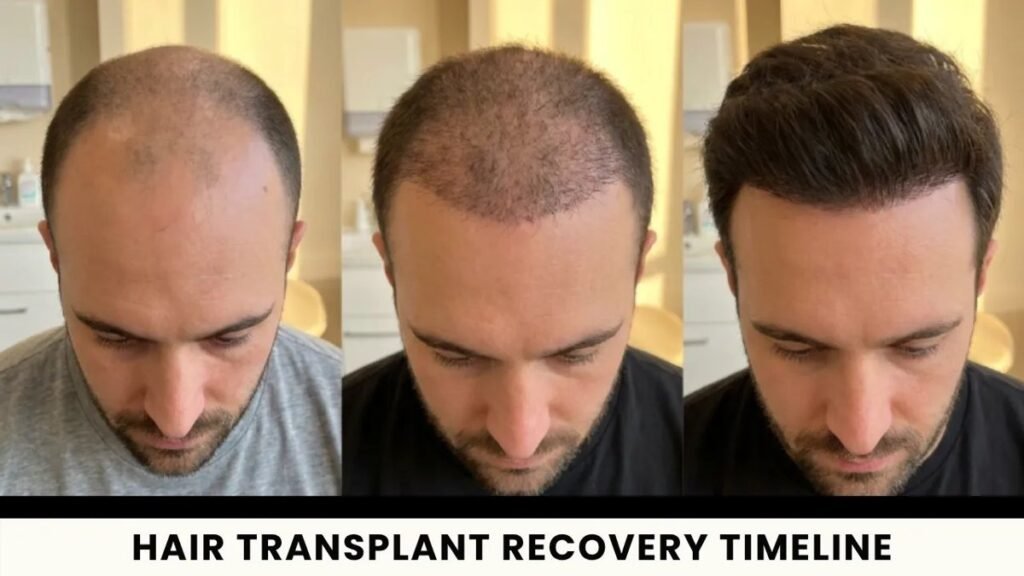
Results do not appear overnight, and knowing the normal sequence prevents unnecessary worry. The recovery timeline varies from person to person, but most patients follow a broadly similar pattern.
Typical milestones after surgery
- Days 1-3: mild swelling around the forehead and some tightness; sleeping with the head raised is often advised.
- Days 3-10: gentle washing as instructed; small scabs form and gradually fall away.
- Weeks 2-8: many transplanted hairs shed. This phase is expected and the follicles remain in place.
- Months 3-4: fine new hairs typically begin to appear.
- Months 6-9: hair thickens and density improves noticeably for many patients.
- Around month 12: the result is usually assessed, although the crown can take longer.
During the first weeks, most teams advise avoiding heavy exercise, swimming, saunas and direct sun on the scalp. Hats should usually be loose-fitting. Alcohol and smoking are commonly discouraged because they can affect healing. Each medical team has its own protocol, so follow the written instructions you receive rather than general online tips.
Fact 6: Realistic Expectations Make the Biggest Difference
Donor hair is limited, and once a follicle is moved it cannot be used again. A good plan balances current coverage with the possibility of future loss, which is why a doctor may suggest a more conservative hairline than a patient first imagines. Younger patients in particular may be advised to wait or to start medical treatment first.
Results also depend on hair calibre, colour contrast with the skin, curl and the size of the area treated. Before-and-after expectations should be discussed openly, and any provider promising identical outcomes for everyone deserves caution.
Conclusion
A hair transplant in Turkey uses the same medical principles as anywhere else; the differences lie in logistics, packaging and how follow-up is handled. Cost depends on grafts, technique and what is included, so a written itemised quote is essential. Plan for a year-long recovery, check credentials carefully and keep a qualified doctor involved in every decision.