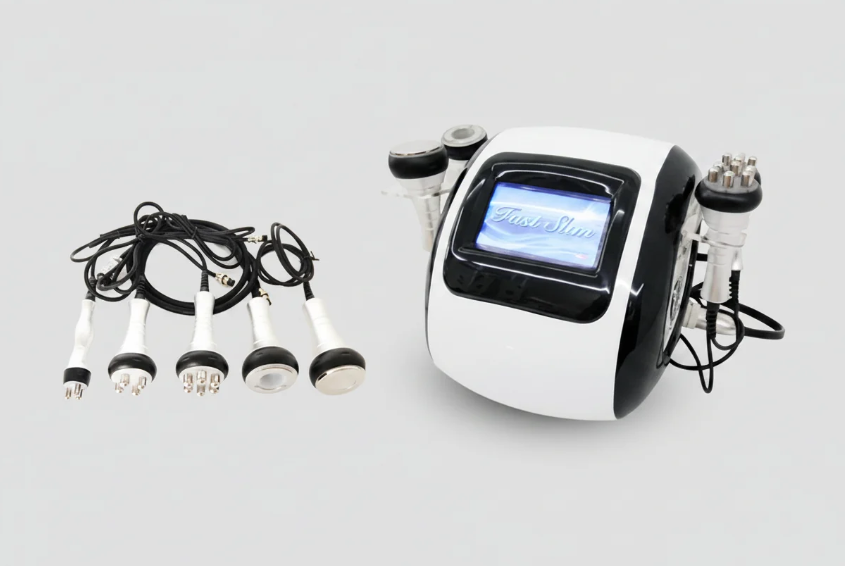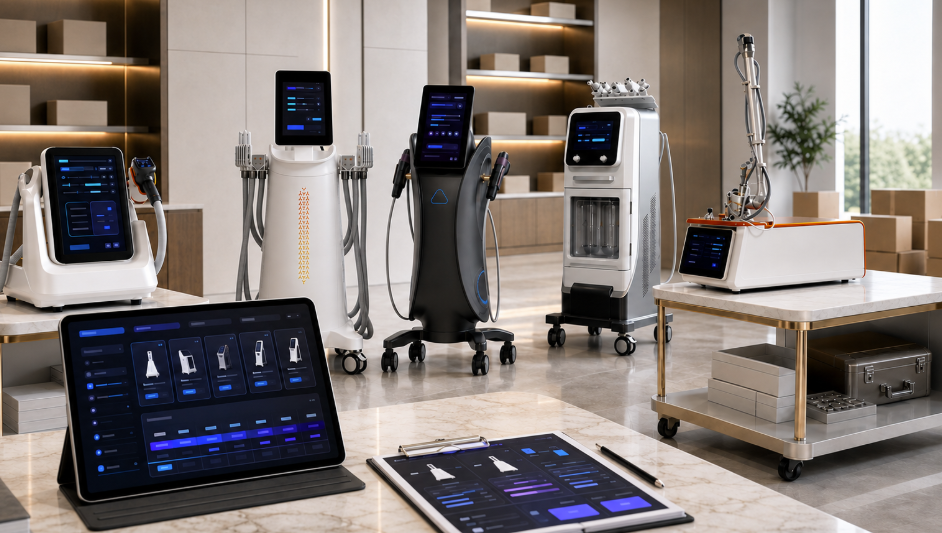
Beauty businesses often begin with a small selection of services and gradually expand as their customers become interested in new treatment options. This expansion requires careful planning because every additional service can affect staff training, treatment-room organization, appointment scheduling, and equipment investment. An RF beauty machine can become one component of this development when a business decides to introduce radiofrequency-based treatments within its professional service offering.
Adding new technology is not simply a matter of purchasing a machine and placing it inside a treatment room. Business owners need to understand how the equipment fits their existing services, what training practitioners require, and whether the available space and schedule can accommodate another treatment process.
A thoughtful approach allows technology to become part of a broader business plan rather than an isolated purchase. The machine, staff, service menu, and customer experience can all be considered together before a new treatment is introduced.
Expanding a Service Menu With Purpose
A growing beauty business may eventually want to offer a wider range of professional services. However, adding too many options without a clear strategy can make the service menu confusing for both staff and customers.
Equipment should therefore be selected according to genuine business requirements.
Before investing in new technology, owners can review the services they already provide and identify where an additional treatment could fit naturally. This creates a more connected service menu instead of a collection of unrelated procedures.
See also: Advanced Apparel Simulation Technology: Engineering the Digital Thread
Understanding the Investment Behind New Technology
Professional beauty equipment represents a financial commitment beyond the purchase price.
Businesses may need to account for training, installation, maintenance, accessories, servicing, and replacement components. The available treatment space may also require changes before the equipment can be introduced.
An RF beauty machine should therefore be evaluated as a complete business investment rather than simply as a piece of equipment.
Understanding the expected usage can help owners determine whether the machine fits their current operations and future plans.
Training Staff Before Launching a New Service
A new technology can only be introduced successfully when practitioners understand how to operate it correctly.
Training should cover the equipment’s controls, operating procedures, accessories, cleaning requirements, and manufacturer guidance. Staff should also understand the professional limitations of the treatment they are providing.
If multiple practitioners will use the same device, consistent training becomes particularly important.
A business can create internal procedures so that every trained operator follows the same basic equipment workflow.
Introducing New Treatments Gradually
A gradual approach can make service expansion easier to manage.
Rather than immediately making a new treatment available to every customer, a business can first ensure that its staff are comfortable with the equipment and that the treatment-room workflow is practical.
This period can reveal issues that may not have been obvious during the purchasing stage.
For example, staff may discover that accessories need better storage, appointment times require adjustment, or additional preparation steps should be added to the workflow.
Making Better Use of Existing Treatment Rooms
Space can influence whether a new service is practical.
An additional machine needs a suitable location without interfering with existing equipment or restricting practitioner movement. Power connections, cables, accessories, and storage should all be considered.
Businesses with smaller treatment rooms may benefit from carefully measuring available space before making an equipment purchase.
A well-planned layout can allow technology to be introduced without making the room unnecessarily crowded.
Creating a Clear Customer Journey
Introducing a new treatment can also change how customers interact with the business.
Clients may first learn about the service through a website, social media page, consultation, or staff recommendation. They may then want information about what the treatment involves before booking an appointment.
Clear communication helps set realistic expectations.
Rather than relying on exaggerated promotional language, businesses can explain the purpose of the technology, the general treatment process, appointment requirements, and any relevant professional guidance.
This can make the new service easier for customers to understand.
Connecting New Services With Existing Operations
A new treatment should fit into the business’s existing schedule.
Appointment duration, room availability, staff workload, preparation time, and cleaning requirements all influence how many sessions can realistically be handled.
An RF beauty machine may be technically suitable for a business, but its practical value also depends on whether the staff and treatment rooms can support its regular use.
Scheduling should therefore be considered before the service is officially launched.
Managing Accessories and Consumables
Equipment management becomes more complicated as a service menu expands.
Practitioners may need access to different applicators, cleaning materials, protective items, and other treatment supplies depending on the equipment and service.
Keeping these items organized can reduce preparation time.
A designated storage system also makes it easier for staff to identify missing or damaged accessories before an appointment begins.
Keeping the Equipment Ready for Daily Use
A business that introduces new technology needs a routine for maintaining it.
Cleaning, inspection, storage, and servicing should become part of normal operations. Equipment manuals and maintenance instructions should be kept accessible so practitioners can refer to them when necessary.
Regular checks can also help staff notice changes in equipment performance.
This is especially useful when the machine is used frequently and shared between several practitioners.
Reviewing Customer Demand
Not every new service will have the same level of demand.
Once a treatment has been introduced, businesses can review appointment bookings, customer questions, repeat interest, and general service performance.
This information can help owners understand how the new service fits into the overall business.
The purpose of reviewing demand is not simply to sell more treatments. It can also help determine whether the equipment is being used effectively and whether staff time and treatment-room space are being allocated appropriately.
Planning for Future Growth
A beauty business may look very different a few years after purchasing professional equipment.
The number of practitioners may increase, the treatment menu may expand, or the business may move to a larger location.
Equipment selection should therefore consider reasonable future requirements.
A machine that offers appropriate flexibility and reliable supplier support may remain useful as the business develops. Owners should also understand the availability of replacement parts and technical servicing before making a long-term investment.
Evaluating the Supplier
The equipment supplier can have an important role after the sale.
Businesses may need help with installation, training, maintenance questions, replacement components, or technical support. A supplier that provides clear documentation and responsive assistance can make equipment ownership easier to manage.
Before purchasing, owners can ask about warranty terms, servicing arrangements, training resources, spare parts, and expected support procedures.
These details are often just as relevant as the machine’s headline specifications.
Building a Balanced Service Strategy
Technology should support a business strategy rather than replace it.
An RF beauty machine can contribute to service expansion, but the surrounding business systems still matter. Staff need appropriate training, rooms need suitable layouts, customers need clear information, and equipment needs proper care.
When these elements work together, introducing a new treatment becomes a structured business decision rather than an experiment based only on the appeal of new technology.
Final Thoughts
Expanding a professional beauty service menu requires more than adding another machine to the treatment room. An RF beauty machine can become part of a wider growth strategy when businesses carefully consider training, space, scheduling, customer communication, equipment maintenance, and supplier support.
The most practical approach is to introduce technology with a clear understanding of how it will be used every day. By connecting equipment decisions with actual business requirements, beauty professionals can create a more organized service environment and make future expansion easier to plan.
FAQs
Can RF equipment be useful when expanding a beauty service menu?
It can be, provided the equipment’s intended applications match the services the business plans to offer and trained professionals operate it according to manufacturer guidance.
What should staff learn before using new RF equipment?
Staff should understand the machine’s controls, operating procedures, accessories, cleaning requirements, and relevant manufacturer instructions.
Does treatment-room size matter when purchasing equipment?
Yes. Businesses should consider the physical dimensions of the machine, accessory storage, power requirements, and space needed for comfortable operator movement.
Should supplier support be considered before purchasing?
Yes. Warranty coverage, technical assistance, training, servicing, and replacement-part availability can all affect long-term equipment management.
How can a business evaluate whether a new treatment is working well?
Businesses can review booking patterns, customer interest, practitioner feedback, equipment usage, and how well the service fits into the existing schedule.