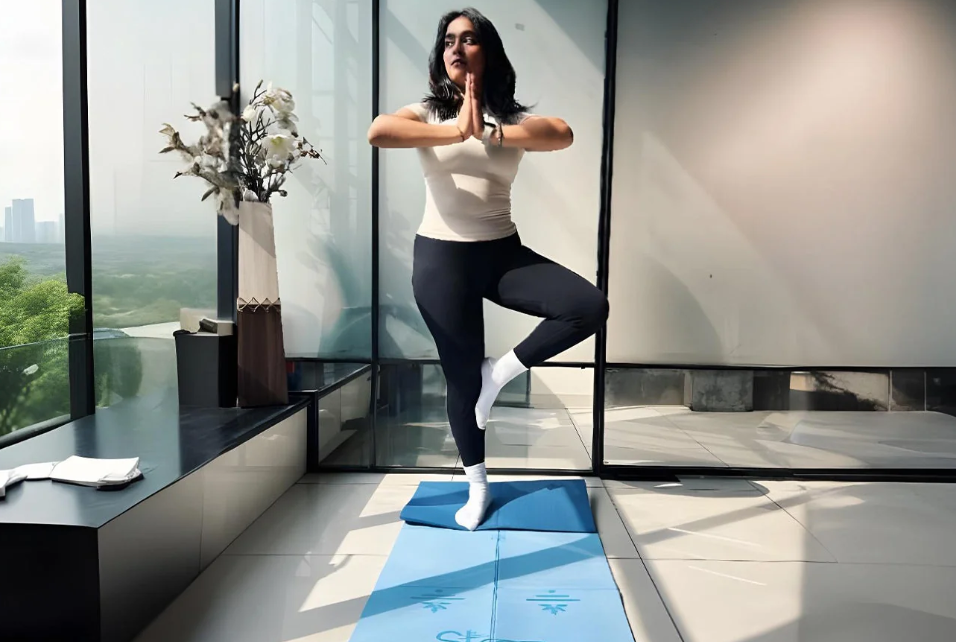
Yoga clothing has become more than something worn for a workout. For many practitioners, it is part of a routine that may begin with stretching at home, continue through a studio session, and end with a walk, coffee stop, or other everyday activity. That makes comfort, fit, and versatility increasingly important when choosing yoga sets. The right combination of top and bottom should allow the body to bend, twist, reach, balance, and rest without constant adjustment. Instead of focusing only on colors or fashionable cuts, shoppers can benefit from considering how the clothing behaves during actual movement.
Yoga places unusual demands on activewear because the body moves through positions that ordinary clothing may not accommodate comfortably. A high waistband can shift during forward folds, a loose top can move during inversions, and fabric with limited stretch can become restrictive during deeper poses. At the same time, overly compressive garments may feel uncomfortable during slower practices that involve holding positions for several minutes. The best choice depends on the individual’s preferred practice, body shape, climate, and personal comfort, which is why there is no single design that works perfectly for everyone.
Fabric and construction deserve just as much attention as appearance. Stretch, breathability, moisture management, seam placement, waistband stability, and coverage can influence whether an outfit remains comfortable throughout an entire session. Someone practicing gentle yoga may prioritize softness and unrestricted movement, while a person attending heated or fast-paced classes may prefer lightweight materials that manage perspiration efficiently. Understanding these differences makes it easier to select activewear that supports the practice rather than becoming another distraction.
A Good Fit Should Move With the Body
Yoga requires a wide range of motion, so clothing needs enough flexibility to accommodate positions involving the hips, knees, shoulders, and torso. Bottoms that restrict movement around the waist or thighs can make certain poses uncomfortable, while tops that pull across the shoulders may interfere with arm movements. A well-fitting garment should feel secure without creating unnecessary pressure.
The waistband deserves particular attention because it needs to remain comfortable through standing, sitting, bending, and stretching. A waistband that constantly slips can become distracting, but excessive tightness can also make prolonged practice uncomfortable. The ideal fit depends on individual preference, although a stable construction that stays in place without digging into the skin is generally more practical for repeated movement.
See also: The Role of Technology in Scientific Research
Fabric Choice Influences Comfort During Long Sessions
The same fabric can feel very different depending on the intensity and environment of a workout. Breathable materials can help with heat management, while moisture-wicking fabrics may be useful for practices that produce significant perspiration. Stretch is equally important because yoga garments need to expand during movement and recover their shape afterward.
Fabric weight is another consideration. Lightweight materials may be appealing in warmer conditions, while slightly thicker fabrics can offer greater coverage and a more substantial feel. Transparency should also be considered, particularly when garments are stretched during squats, lunges, or deep bends. A fabric that appears opaque while standing may behave differently under tension, so practical testing can be more informative than appearance alone.
Features Worth Checking Before Buying
A thoughtful purchase starts with identifying the features that matter most for the intended routine.
- Four-way stretch: Supports movement in multiple directions without making the fabric feel restrictive.
- Stable waistband: Helps bottoms remain in place during transitions and forward folds.
- Breathable fabric: Can make activewear more comfortable as body temperature rises.
- Moisture management: Useful for energetic or heated practices.
- Secure coverage: Helps maintain confidence during stretching and inverted positions.
- Comfortable seams: Reduces the likelihood of rubbing during longer sessions.
- Shape recovery: Helps garments retain their original fit after repeated stretching.
- Appropriate support: Important when the same outfit will be used for more vigorous movement.
These characteristics should be considered together rather than separately. A garment may have excellent stretch but poor waistband stability, or impressive moisture management but uncomfortable seams. A balanced design is usually more useful than maximizing one feature while overlooking the others.
Different Yoga Practices Call for Different Clothing
A slow restorative session and a fast-moving flow class can feel like completely different forms of exercise. Restorative, yin, and gentle practices may involve holding poses for extended periods, making softness and unrestricted comfort especially valuable. Clothing that feels pleasant against the skin becomes more noticeable when the body remains in one position for several minutes.
More energetic practices create another set of requirements. Vinyasa and power yoga can involve frequent transitions, increased body temperature, and repeated movement between standing and floor-based poses. In these situations, secure waistbands, supportive tops, flexible fabric, and moisture management can become more important. Heated classes may make lightweight and breathable materials particularly appealing, while outdoor sessions may require additional consideration of temperature and weather.
Top and Bottom Proportions Can Affect Movement
A coordinated outfit does not necessarily need to have a matching color or identical fabric weight. What matters more is whether the top and bottom work well together during movement. A fitted top may remain more stable during inversions, while a flexible bottom can accommodate deep hip and leg movements without pulling at the waist.
Length also influences practicality. Full-length leggings may provide coverage and warmth in cooler environments, while shorter bottoms can feel more comfortable during hot-weather sessions. Tops can range from fitted tanks to longer silhouettes, depending on personal preference and the type of practice. The best proportions are ultimately those that allow the wearer to move naturally without repeatedly adjusting clothing.
Seams and Construction Matter During Repeated Movement
Seam placement is easy to overlook when shopping, but it can become noticeable during extended practice. Seams positioned in areas that experience repeated pressure or friction may cause irritation, especially when combined with sweat and prolonged movement. Flat seams or carefully planned construction can help reduce this problem.
The same applies to elastic components. Waistbands, cuffs, and supportive areas need to maintain their function without becoming excessively restrictive. Poor construction can cause garments to lose shape or become uncomfortable after repeated use. When activewear is expected to be worn several times each week, construction quality can be just as important as the initial appearance.
Versatility Can Make Activewear More Practical
Many people prefer workout clothing that does not have to be immediately changed after a session. A well-designed yoga outfit can often transition into casual activities when paired with a jacket, sweatshirt, or other everyday layer. This makes versatile activewear useful for people who move between exercise, errands, travel, and social activities during the same day.
Neutral colors and simple silhouettes may be easier to incorporate into an existing wardrobe, while bold patterns can provide a more distinctive athletic appearance. Neither option is inherently better. The important consideration is whether the clothing fits the wearer’s lifestyle and whether it remains comfortable outside the studio. Practical versatility can increase how frequently a garment is worn, making the purchase more worthwhile.
Proper Care Helps Preserve Stretch and Shape
Activewear often contains elastic fibers and performance fabrics that need appropriate care. Washing according to the manufacturer’s instructions can help preserve stretch, softness, and shape. Excessive heat may affect certain synthetic materials, while harsh detergents or fabric softeners may not be suitable for every technical fabric.
It is also useful to avoid leaving sweaty clothing packed inside a bag for long periods. Prompt washing and proper drying can help maintain freshness and reduce persistent odors. Rotating several outfits can also reduce wear on individual pieces. These simple habits can help preserve the characteristics that made the clothing comfortable when it was first purchased.
Final Thoughts
Choosing yoga clothing is ultimately about finding a balance between movement, comfort, support, and personal style. The ideal outfit should not require constant attention while a person is trying to concentrate on breathing, balance, flexibility, or technique. Instead, it should stay in place, stretch naturally, provide appropriate coverage, and remain comfortable throughout the session.
Well-designed yoga sets can make that process simpler by bringing compatible tops and bottoms together in one coordinated option. However, matching pieces alone do not guarantee a good experience. Fabric quality, waistband construction, support, breathability, seam placement, and suitability for the chosen style of yoga all deserve consideration. When these details align with the wearer’s routine, activewear becomes less of a distraction and more of a practical part of a consistent yoga practice.