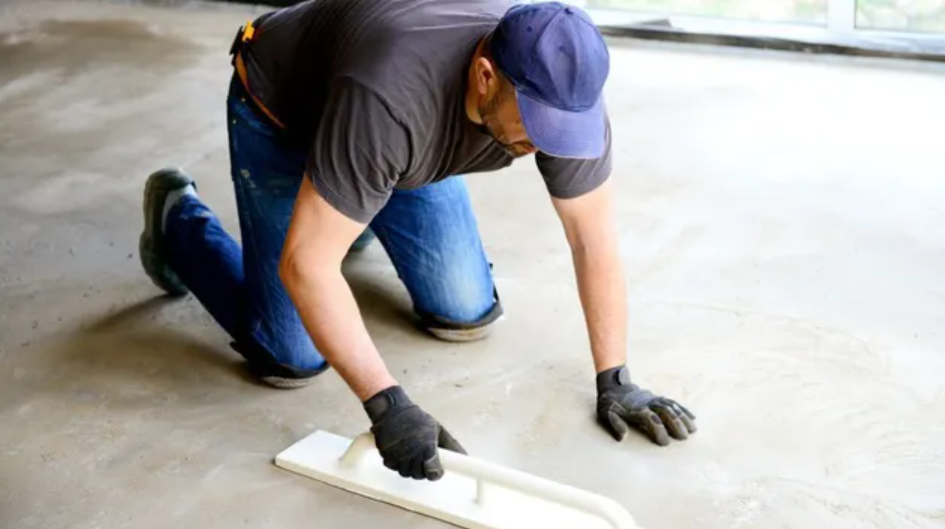
Concrete is known for strength, but an exposed concrete surface still has to deal with everything a busy property throws at it. Vehicle traffic, abrasive dirt, moisture, chemical spills, dropped equipment, repeated washing, and constant foot movement can gradually affect the appearance and performance of a slab. In commercial and industrial settings, these pressures are often concentrated in particular areas, creating worn paths, stains, surface deterioration, and maintenance challenges. A properly specified polyurethane concrete coating can place a protective layer between the concrete and these everyday stresses, helping create a surface that is easier to maintain while offering additional resistance to wear. The important consideration, however, is not simply whether polyurethane is being used, but whether the complete flooring system has been selected and installed for the conditions it will encounter.
Flooring requirements can vary considerably from one property to another. A garage may mainly need protection against automotive fluids and tire traffic, while a warehouse has to accommodate forklifts, pallet movement, heavy loads, and abrasive particles. Manufacturing environments can introduce machinery, chemicals, moisture, and temperature fluctuations, whereas commercial facilities may place greater emphasis on appearance, cleanability, and pedestrian traffic. These differences make product selection a technical decision rather than a purely cosmetic one. The formulation, surface preparation, coating thickness, curing characteristics, and final finish should all correspond with the intended use of the floor.
The concrete substrate also deserves careful consideration before any protective material is applied. Dust, oil, grease, weak concrete, old coatings, cracks, and moisture can all interfere with adhesion or affect the finished appearance. Covering these conditions does not necessarily solve them. A coating system needs a suitable foundation, which means inspection and preparation are essential parts of the project. Once the substrate has been evaluated, the appropriate system can be selected and applied under controlled conditions. This approach creates a much stronger basis for long-term performance than simply choosing a product based on its advertised durability.
The Condition of the Slab Determines the Starting Point
Every successful coating project begins with an understanding of the concrete underneath it. Even a slab that looks relatively clean may contain contaminants that interfere with adhesion. Oil and grease can penetrate porous areas, while laitance and weak surface material can prevent a coating from bonding to sound concrete. Existing coatings may also be incompatible with the new system or may already be failing. Depending on these conditions, preparation can involve mechanical grinding, shot blasting, deep cleaning, removal of old material, or a combination of techniques.
Cracks and damaged sections should also be evaluated before installation. A stable surface crack can require a different treatment from a defect caused by movement or deterioration. Spalled concrete, holes, damaged edges, and weak areas may need repair before the coating process begins. Moisture is another consideration because vapor moving through the slab can create problems for some coating systems. Addressing these conditions before application gives the finished floor a stronger foundation and reduces the possibility of discovering serious problems after the surface has been completed.
See also: The Role of Technology in Scientific Research
Polyurethane Selection Should Reflect the Working Environment
Polyurethane is not a single uniform product category. Different formulations can provide different combinations of abrasion resistance, chemical resistance, flexibility, appearance retention, and curing characteristics. This variety is useful because flooring environments are rarely identical. A production area with heavy mechanical traffic may need different performance characteristics from a showroom or lightly used commercial corridor. The coating should therefore be selected after identifying the stresses the floor is expected to withstand.
The complete flooring system may also involve several layers rather than one material. A primer can improve adhesion to the prepared concrete, while an intermediate layer may build the required thickness and a polyurethane finish can provide particular surface characteristics. In other installations, polyurethane may be combined with decorative or functional aggregates. The most suitable arrangement depends on the substrate, exposure, traffic, and performance expectations. Looking at the complete system makes the selection process more reliable than comparing isolated product features.
Practical Applications for Coated Concrete
Protective coatings can serve many environments, but the reasons for installing them differ according to the facility. Evaluating the specific demands of each space helps determine what characteristics should receive the greatest attention.
- Garages: Vehicle tires, oil, grease, road dirt, and occasional impacts can create persistent surface problems.
- Warehouses: Forklifts, pallet traffic, heavy loads, and continuous movement can accelerate abrasion.
- Workshops: Tools, automotive fluids, machinery, and frequent cleaning may place additional demands on the coating.
- Retail facilities: Appearance, cleanability, pedestrian traffic, and surface durability can be important priorities.
- Manufacturing areas: Chemicals, machinery, moisture, impact, and demanding maintenance routines may require a specialized system.
- Service spaces: Frequent spills and washing can make chemical resistance and easy maintenance particularly valuable.
This comparison illustrates why the most expensive coating is not automatically the best choice. A lightly used space may not need the same specification as an industrial facility, while a demanding environment may quickly expose the weaknesses of an under-specified system. The goal is to match performance with actual use. That approach can provide better value while avoiding unnecessary material costs.
Surface Preparation Is Where Long-Term Performance Begins
Mechanical preparation creates the physical conditions needed for the coating to establish reliable adhesion. Grinding can remove weak surface material and create a suitable profile, while shot blasting may be appropriate for certain larger or heavily contaminated areas. The selected technique should depend on the concrete and the requirements of the coating system. Preparation is successful when it produces a clean, sound, appropriately profiled surface rather than simply changing the appearance of the slab.
Repairs should be handled with the same level of attention. Filling defects without considering their cause can result in problems appearing again beneath the new coating. Areas affected by movement, moisture, or deteriorated concrete may require specialized treatment. Control joints and transitions also need to be incorporated into the flooring plan rather than treated as minor details. A thoughtful preparation stage gives the installer an opportunity to address these issues before they become part of the finished floor.
Environmental Conditions Can Influence Application
Coating materials interact with their surroundings during installation. Temperature, humidity, concrete temperature, condensation, and ventilation can affect how a polyurethane system spreads and cures. Manufacturers establish recommended application conditions because the material’s behavior can change when those parameters are exceeded. Monitoring the environment therefore helps installers maintain consistency and avoid problems associated with unsuitable curing conditions.
The timing between coats is equally important. A flooring system may have a defined recoat window, and the surface may require additional preparation if that period is exceeded. After the final layer is applied, sufficient curing time is necessary before normal traffic resumes. Allowing vehicles, machinery, chemicals, or heavy loads onto a floor too early can damage a surface before it has developed its intended properties. Scheduling should therefore account for the entire curing process rather than treating the project as complete once application ends.
Technical Information Makes Material Selection More Reliable
A professional flooring decision should be based on more than a product name and advertised durability. Technical documentation can provide information about substrate requirements, recommended application thickness, mixing procedures, coverage, environmental limits, chemical resistance, curing, and recoat intervals. This information allows installers to determine whether a formulation is suitable for the intended environment and whether it can be incorporated into the proposed system.
Compatibility between layers is another important consideration. Primers, intermediate coats, repair materials, aggregates, and topcoats should work together as intended. Combining products without confirming compatibility can introduce unnecessary risks even when each individual material appears appropriate. Following the manufacturer’s system recommendations gives installers a clearer process and helps create more predictable results across the finished surface.
Installation Quality Protects the Material Investment
The performance of a coating depends partly on how accurately it is installed. Mixing ratios, application thickness, working time, environmental conditions, and recoat timing all need to be controlled. Inconsistent application can produce variations in appearance and performance, while poor preparation can undermine adhesion regardless of how advanced the coating material may be.
Large facilities also require careful scheduling. A warehouse or production area may need to remain partially operational during installation, meaning work has to be organized around traffic patterns and equipment movement. Freshly coated sections need protection from accidental contamination and premature use. A detailed installation plan can reduce disruption while giving the coating sufficient time to develop its intended properties.
Maintenance Helps Preserve the Finished Surface
A coated concrete floor can simplify routine cleaning, but it still requires sensible care. Dust, sand, and other abrasive particles can gradually wear the surface when repeatedly dragged beneath shoes, tires, carts, and machinery. Regular sweeping or appropriate cleaning can reduce this effect. Spills should also be addressed promptly using products and procedures suitable for the installed system, particularly in environments where chemicals or automotive fluids are present.
High-traffic zones should receive periodic attention because wear is rarely uniform. Forklift routes, entrances, loading areas, workstations, and equipment zones can experience substantially greater stress than quieter sections. Early inspection can identify small areas of deterioration before they become extensive. Following appropriate maintenance procedures can help preserve the finish and reduce avoidable repair costs over the useful life of the floor.
Final Thoughts
A concrete coating project succeeds when the material, substrate, installation process, and operating environment are treated as parts of one system. Polyurethane can provide useful protective characteristics, but its performance depends on choosing an appropriate formulation and preparing the concrete correctly. Moisture, contamination, cracks, traffic, chemicals, curing conditions, and maintenance all need to be considered before the project begins. Focusing only on the visible finish can overlook the technical factors that ultimately determine how the surface performs.
For property owners and facility managers, the best approach is to define the floor’s actual requirements first and then build the coating specification around those needs. A carefully selected polyurethane concrete coating can help protect concrete from everyday wear while providing a cleaner and more consistent surface. When preparation, application, curing, and maintenance are handled properly, the coating becomes more than a cosmetic improvement. It becomes part of a practical strategy for extending the usefulness of the existing floor.
Long-term value also comes from resisting the temptation to treat every flooring project the same way. A garage, workshop, warehouse, and industrial facility may require very different solutions even when all of them begin with concrete. Matching the coating system to the environment, following technical requirements during installation, and maintaining the finished surface can help preserve its performance over time. For properties that need additional protection without replacing the underlying slab, a well-planned polyurethane concrete coating can offer a practical balance between durability, appearance, and ongoing maintenance.