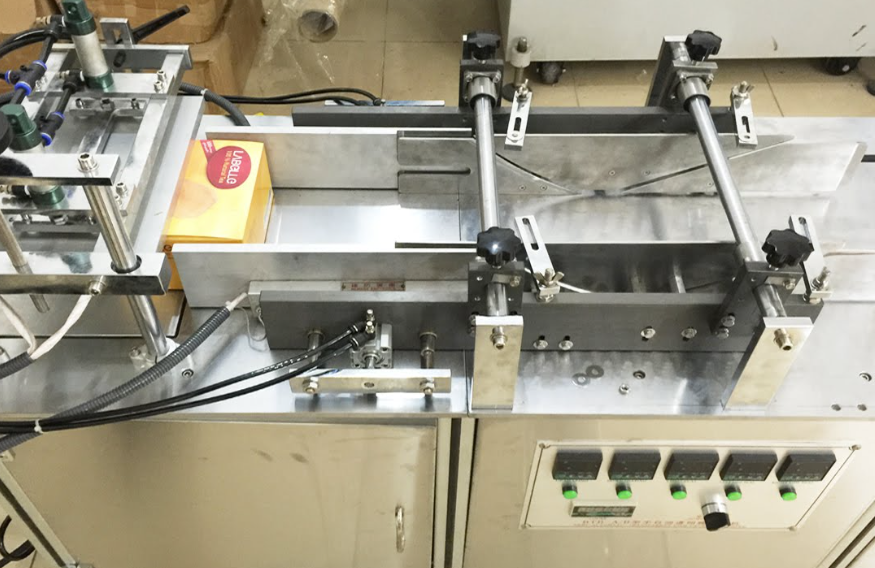
Modern packaging facilities often handle several processes at the same time. Products need to arrive at the packaging station in the correct order, wrapping materials must remain available, finished units need to move toward inspection, and production teams have to keep everything coordinated. When these activities are poorly connected, even a capable packaging machine can become part of a slow or disorganized workflow. A cellophane overwrapping machine can help create a more structured stage within this larger process.
Overwrapping is often associated with the final appearance of a product, but its role within a manufacturing line can be much broader. The machine can become part of a sequence involving product feeding, package preparation, wrapping, inspection, coding, collection, and secondary packing.
For manufacturers producing multiple product formats, the way these stages interact can have a major effect on daily operations. Good packaging-line planning therefore focuses not only on the machine itself but also on how information, products, materials, and operators move around it.
Connecting Overwrapping With the Wider Production Line
A packaging machine receives products from an earlier stage and passes completed packages toward another process. This means its performance can influence the stages surrounding it.
If products arrive too quickly, they may accumulate before the machine. If they arrive too slowly, the equipment may remain underused. Similar problems can occur after wrapping if the next stage cannot handle the machine’s output.
Balancing these stages helps create a smoother production flow. Manufacturers can examine the expected output of each connected process before deciding how the overwrapping equipment should operate.
See also: The Role of Technology in Smart Farming
Creating a Defined Packaging Sequence
A clear packaging sequence helps operators understand what should happen at each stage.
Products can move from preparation to wrapping, followed by inspection, coding, collection, or secondary packaging depending on the production setup.
When responsibilities are clearly defined, operators can identify where an issue has occurred rather than stopping the entire process without knowing the cause.
This type of organization becomes especially useful when multiple product variations are processed during the same production period.
Making Product Changeovers More Organized
Many packaging facilities need to switch between different products or package sizes.
A changeover may involve adjusting machine settings, replacing packaging material, modifying product positioning, and confirming the first completed packages.
A cellophane overwrapping machine should therefore be evaluated not only for its normal operating performance but also for how practical its changeover process is.
Clear procedures can help operators move from one packaging format to another without unnecessary confusion.
Keeping Production Information Traceable
Modern manufacturing often requires businesses to know what was produced, when it was produced, and which production batch it belongs to.
Packaging stages can play a role in this process through coding, labeling, or other identification methods where applicable.
When package identification is handled consistently, finished products can be easier to organize during storage and distribution.
The exact tracking method depends on the manufacturer’s requirements and the equipment integrated into the production line.
Coordinating Packaging Material Replenishment
A machine cannot continue operating if its wrapping material runs out.
Material replenishment should therefore be considered part of production planning. Operators need to know when material is approaching its replacement point and where new rolls or supplies are stored.
Organized material storage can reduce unnecessary walking and make replenishment more predictable.
For long production runs, this small operational detail can have a meaningful effect on workflow continuity.
Reducing Confusion Between Product Batches
Manufacturers may process different products throughout a working day. If completed packages from separate batches are not clearly separated, inventory errors can occur.
A well-organized packaging area can use designated spaces for incoming products, work in progress, and completed batches.
Clear identification and physical organization make it easier for operators to understand which products are currently being processed and where finished units should go.
Integrating Quality Checks Without Slowing Production
Quality inspection does not always need to be separated from the packaging process.
Operators can examine wrapping quality at defined intervals while the machine continues operating. Depending on the production requirements, automated inspection systems may also be integrated into the wider line.
The objective is to identify packaging problems early without creating unnecessary delays.
Inspection procedures should be designed around the product and the quality standards established by the manufacturer.
Managing Machine Output at the End of the Line
Once products are wrapped, they need somewhere to go.
Finished packages may move toward cartons, trays, collection bins, palletizing systems, or manual packing stations.
If the output area is too small or poorly organized, packages can accumulate and interfere with normal machine operation.
Providing an appropriate collection area helps keep finished products moving away from the overwrapping station.
Designing Around Operator Responsibilities
Automation can reduce repetitive work, but operators remain an important part of the process.
Different employees may be responsible for material replenishment, quality inspection, machine monitoring, product preparation, or finished-product handling.
Defining these responsibilities can prevent situations where everyone assumes another person is handling an important task.
Clear communication becomes especially useful during busy production periods and product changeovers.
Planning for Routine Cleaning
Packaging lines need regular cleaning and housekeeping. Wrapping materials can leave small pieces of film or other residues around the working area.
The machine should be positioned so that routine cleaning can be performed without disrupting surrounding equipment.
A clean workspace also makes it easier to notice loose components, material problems, or unusual machine conditions.
Understanding the Effect of Machine Downtime
When one machine stops, the effect can extend beyond that individual station.
If the overwrapping machine is positioned between two highly active production stages, an unexpected stop may create a buildup on one side and a shortage on the other.
Manufacturers can prepare procedures for handling temporary interruptions. These may include safely stopping connected equipment, separating affected products, and contacting maintenance personnel when necessary.
This approach helps prevent a small equipment issue from becoming a larger production problem.
Planning Equipment Around Future Capacity
Production volumes can increase as a business grows. Additional products or larger orders may place new demands on an existing packaging line.
Before installing equipment, manufacturers can consider how future production changes might affect the packaging area.
There may be opportunities to leave room for additional conveyors, inspection equipment, storage areas, or another packaging station.
Planning ahead can make later expansion more manageable.
Using Performance Data for Better Decisions
Packaging operations can generate useful information about production performance.
Businesses may monitor output, downtime, material usage, changeover duration, rejected packages, and maintenance events.
Reviewing this information can help managers identify recurring operational problems. For example, frequent delays during product changeovers may suggest that the procedure or equipment setup needs attention.
Data can therefore support practical improvements rather than relying entirely on assumptions.
Building a More Flexible Packaging Strategy
A packaging line should ideally be able to respond to changing production requirements without requiring major modifications every time a new product is introduced.
Flexibility can come from suitable machine adjustments, organized changeover procedures, compatible materials, and thoughtful line design.
A cellophane overwrapping machine can become one part of this flexible system when its capabilities are properly matched with the products being packaged.
Final Thoughts
Efficient packaging depends on how well individual machines, employees, materials, and production stages work together. Overwrapping is only one part of this system, but it can influence everything from material replenishment and batch organization to product inspection and finished-package handling.
A cellophane overwrapping machine can provide a consistent wrapping stage while fitting into a broader production workflow. The greatest operational benefits come when manufacturers plan the surrounding processes at the same time as the equipment itself.
For businesses looking to improve packaging-line coordination, the focus should extend beyond machine speed. Organized changeovers, clear responsibilities, traceable batches, suitable material handling, routine maintenance, and balanced production stages can all contribute to a more dependable packaging operation.
FAQs
What role does an overwrapping machine play in a packaging line?
It provides an overwrapping stage where finished products or packages receive an additional outer layer before moving to subsequent production or distribution stages.
Why is line integration important?
A packaging machine depends on the processes before and after it. Good integration helps maintain a steady flow of products and reduces unnecessary bottlenecks.
How can changeovers be made easier?
Manufacturers can establish clear setup procedures, organize replacement materials, document machine settings, and inspect initial packages after each changeover.
Can packaging equipment support product tracking?
Depending on the configuration, packaging lines can incorporate coding, labeling, or identification systems that help associate finished packages with specific production information.
Why is material replenishment important?
A shortage of wrapping material can interrupt production. Organized storage and planned replenishment can help reduce avoidable stops.
How can manufacturers improve overwrapping line performance?
They can review machine output, downtime, changeover duration, material consumption, quality issues, and maintenance records to identify areas for improvement.