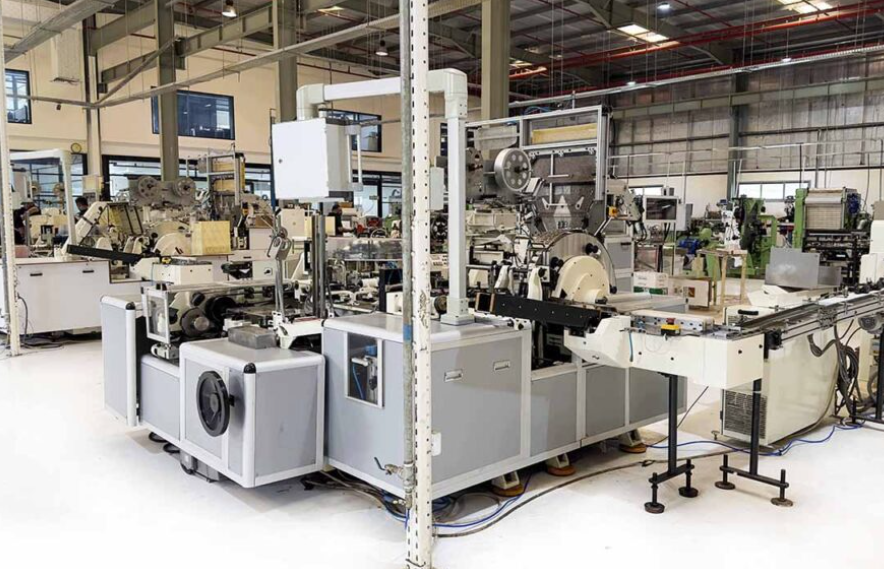
A packaging line can produce large quantities efficiently only when its individual stages work together reliably. An unexpected machine stop, material issue, or sealing problem can interrupt more than one part of the production process. For manufacturers handling continuous packaging operations, reliability therefore becomes an important consideration alongside production speed.
A tobacco packing machine can support a more controlled packaging workflow by automating repetitive stages and maintaining established operating parameters. When the machine is properly configured and maintained, production teams can create a more predictable routine for packaging, inspection, and material handling.
However, reliable operation does not come from automation alone. Machine condition, operator knowledge, packaging materials, preventive maintenance, and troubleshooting procedures all influence how consistently a packaging line performs. Understanding these factors can help manufacturers reduce avoidable interruptions.
Identifying the Causes of Packaging Interruptions
Not every production stop has the same cause. A machine may stop because of a material problem, incorrect positioning, worn components, sensor issues, or an unsuitable operating setting.
Instead of treating every interruption as an isolated event, production teams can record when and why stops occur. Over time, these records may reveal patterns that would otherwise be difficult to notice.
For example, repeated interruptions during material changes may indicate a need for better setup procedures, while recurring mechanical problems may point toward a maintenance requirement.
See also: The Role of Technology in Scientific Research
The Role of Preventive Checks
Waiting for equipment to fail completely can create unnecessary downtime. Preventive checks provide an opportunity to identify developing problems before they become major interruptions.
Depending on the equipment design, routine checks may involve inspecting moving components, sealing areas, sensors, electrical connections, and other machine parts.
The exact maintenance schedule should follow the manufacturer’s recommendations. Consistency is important because occasional inspections may not provide the same protection as a properly planned maintenance routine.
Keeping Packaging Materials Consistent
Machine performance can be affected by the materials being processed. Variations in material thickness, dimensions, quality, or storage conditions can influence how packaging equipment operates.
Production teams should therefore ensure that approved packaging materials are handled and stored correctly. Material rolls, films, papers, or other components should be protected from unnecessary damage before they reach the machine.
If a packaging problem suddenly appears after a material change, checking the material itself can be an important part of the troubleshooting process.
Monitoring Sealing Performance
Sealing is one of the areas where small changes can produce visible packaging defects. A seal may become uneven, incomplete, weak, or visually inconsistent when machine conditions are not properly controlled.
Operators can regularly inspect finished packages rather than relying only on final-stage quality checks.
Early inspection allows teams to identify a problem before a large quantity of packages is produced with the same defect. This can reduce material loss and make troubleshooting more manageable.
Avoiding Unnecessary Machine Adjustments
When a machine produces an unexpected result, operators may be tempted to change several settings at once. This can make troubleshooting more difficult because there is no clear way to determine which adjustment affected the result.
A more organized approach is to identify the problem, check obvious causes, and make controlled adjustments according to established procedures.
Keeping records of successful settings can also help operators return to known configurations when the same product or package format is produced again.
Training Operators to Recognize Early Warning Signs
Operators spend significant time around packaging equipment, which means they may notice changes before maintenance personnel do.
Unusual sounds, repeated small stops, changes in package appearance, material feeding problems, or inconsistent machine movement can sometimes indicate that something needs attention.
Training employees to report these signs early can help maintenance teams investigate before a minor issue becomes a larger production interruption.
Creating a Clear Troubleshooting Process
Troubleshooting becomes easier when employees know what to check first. A simple procedure can prevent operators from making unnecessary changes or overlooking basic causes.
The process may begin with checking material placement, product positioning, machine alarms, sensors, and visible mechanical conditions. If the issue cannot be resolved through approved operator procedures, it can then be escalated to qualified technical personnel.
Clear responsibility is important because operators should not attempt repairs beyond their training or authorization.
Using Downtime Records for Improvement
Downtime information can become a useful source of production data. Instead of simply recording that a machine stopped, teams can categorize the reason for each interruption.
Over several production cycles, this information can show which issues consume the most time.
A business may then discover that a seemingly minor problem occurs dozens of times each week. Addressing that recurring issue could provide a more meaningful improvement than focusing only on occasional major breakdowns.
Managing Changeovers More Carefully
Changing from one package format or production setup to another can create opportunities for errors. Materials may need to be replaced, machine settings adjusted, and packaging dimensions checked.
A standardized changeover procedure can make the process more predictable. Operators can verify important settings before restarting full production.
It can also be useful to inspect the first completed packages after a changeover. This provides an early opportunity to identify incorrect settings before the new production run continues.
Keeping Spare Parts Available
Some components eventually require replacement through normal wear. If a commonly needed part is unavailable when a failure occurs, the resulting downtime may last much longer than the actual repair.
Manufacturers can identify critical replacement components and maintain appropriate spare-part arrangements based on the equipment manufacturer’s guidance.
The objective is not to store every possible component. Instead, businesses can focus on parts whose absence could significantly interrupt production.
Protecting Equipment Through Proper Cleaning
Packaging environments can generate material residue and other debris. If these accumulate in sensitive areas, they may affect machine operation or make inspection more difficult.
Routine cleaning should therefore be included in the packaging schedule. Operators should follow the machine manufacturer’s cleaning instructions and use appropriate methods for the equipment.
Cleaning also gives employees an opportunity to notice loose components, unusual wear, or other visible changes.
Balancing Speed With Stability
Higher production speed is not always equivalent to better production performance. Running equipment faster than the surrounding process can reliably support may increase interruptions, material waste, or quality problems.
Manufacturers can evaluate production performance using several factors rather than speed alone.
Stable output, acceptable package quality, manageable material consumption, and reasonable downtime can provide a more complete picture of packaging performance.
Preparing for Unexpected Interruptions
Even well-maintained machinery can experience unexpected problems. A practical packaging operation should therefore have a response plan.
Employees should know who to contact, how to stop the equipment safely, how to isolate affected packages, and when technical assistance is required.
Clear procedures can reduce confusion during an interruption and help prevent employees from taking unnecessary risks while attempting to restore production.
Reviewing Performance Over Time
Packaging reliability should be evaluated continuously rather than only after a major breakdown.
Production teams can periodically review downtime records, maintenance activities, material issues, changeover performance, and quality problems. This creates an opportunity to identify gradual changes in machine behavior.
A machine that is still operating may nevertheless be showing signs of declining performance. Regular review can help businesses respond before the problem becomes more serious.
Final Thoughts
Reliable packaging is built through many small decisions rather than one machine feature. Preventive maintenance, material control, operator training, troubleshooting procedures, quality inspection, and downtime analysis all contribute to a stable production environment.
A tobacco packing machine can provide the automation needed for consistent packaging, but its long-term performance depends on how the equipment is operated and maintained. Businesses that monitor recurring problems and address their causes can create a more predictable packaging workflow.
For manufacturers looking to improve operational reliability, tobacco packing machine technology can be part of a wider strategy focused on reducing avoidable interruptions and maintaining consistent production. The combination of suitable equipment, trained operators, and structured maintenance provides a stronger foundation for dependable packaging operations.
FAQs
What commonly causes packaging machine downtime?
Downtime can result from material problems, incorrect settings, worn components, sensor issues, product positioning, maintenance requirements, or other mechanical and operational factors.
Why are preventive checks important?
Regular checks can help identify developing problems before they lead to unexpected equipment failure or extended production interruptions.
How can operators help reduce downtime?
Operators can follow correct setup procedures, monitor package quality, report unusual machine behavior, maintain cleanliness, and use approved troubleshooting procedures.
Should packaging machine settings be changed frequently?
Settings should be adjusted according to the product, packaging format, material, and manufacturer’s operating guidance. Unnecessary adjustments can make troubleshooting more difficult.
How can downtime records help manufacturers?
Recording the reasons and duration of interruptions can reveal recurring problems and help production teams prioritize maintenance or process improvements.
Is machine speed the most important performance measurement?
Not necessarily. Stable output, package quality, material efficiency, maintenance requirements, and downtime can all be important when evaluating overall packaging performance.