There is a reason Pune still feels different from many other rapidly growing cities.
Even with new roads, business districts, and high-rise developments changing the city’s skyline, there is still a strong sense of its old character. The narrow lanes of old Pune, traditional homes with inner courtyards, and buildings designed around natural airflow are reminders of a time when homes were built around the rhythm of everyday life.
Interestingly, many of those ideas are finding relevance again in modern residential design.
Not because people want to recreate old homes, but because some of the principles behind them continue to make sense. A home that gets enough sunlight feels better. A space with good ventilation feels more comfortable. A community with open areas encourages people to spend more time outside.
These are simple ideas, but they have a lasting impact.
The Design Lessons Hidden in Traditional Homes
Traditional homes in Pune were created with a practical understanding of the environment.
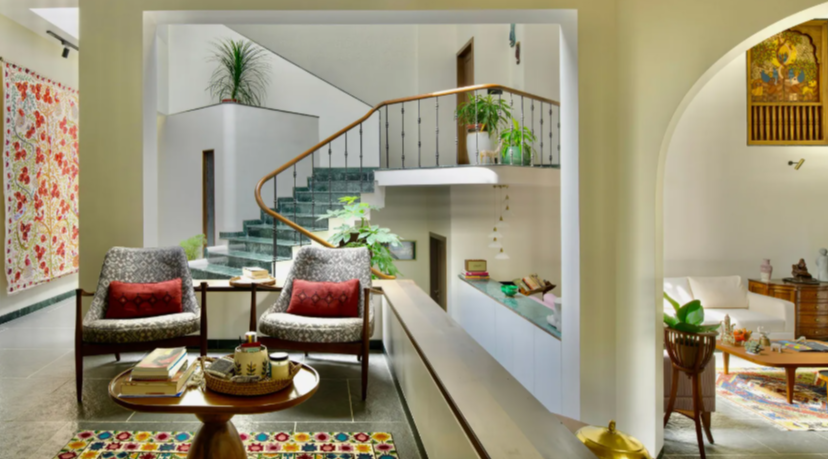
Courtyards allowed air and light to move through the house. Open areas created shared spaces for families. The design encouraged interaction instead of isolating people within separate rooms.
Modern apartments have a different concept through which it works. Space availability, technology and lifestyle requirements all have now changed but the need for a very comfortable living spaces remains the same with me.
This is why newer residential developments are increasingly paying attention to aspects that were once considered basic — natural lighting, ventilation, outdoor areas, and efficient layouts.
The difference is that these ideas are now being combined with features expected from contemporary homes.
Why Design Matters More Than Just Size
A larger home does not always mean a better living experience.
The way a home is planned often decides how comfortable it feels. A well-positioned window, a balcony that receives sunlight, or an open area around the building can change the everyday experience of residents.
This is also influencing what people look for while choosing homes. Buyers exploring 3 BHK apartments in Pune, for example, are not only considering the number of rooms available. They are also thinking about how those spaces will work for their families over the years.
A home needs to adapt — whether it is hosting relatives, creating a workspace, or simply providing a comfortable place to unwind after a busy day.
Pune’s Real Estate Growth Needs Local Understanding
Pune’s expansion has created several new residential destinations. Areas that were once considered far from the city are now becoming important housing corridors.
With this growth, one challenge remains — how can modern developments grow without losing the character of the city?
The answer lies in understanding the location.
A residential project should not feel disconnected from its surroundings. The best developments often take cues from the place they are built in, whether through design choices, open spaces, or the way communities are planned.
This approach allows new homes to become part of the city rather than simply adding more buildings to it.
How Developers Are Rethinking Residential Spaces
Real estate today is no longer only about constructing buildings. The focus has shifted towards creating environments where people can live comfortably for years.
The top builders in India are increasingly looking at design from a broader perspective — considering how residents use spaces, how communities interact, and how homes respond to changing lifestyles.
In a city like Pune, where history and modern growth exist together, this balance becomes even more important.
The challenge is not choosing between traditional and modern design. It is finding ways for both to work together.
Birla Punya: Connecting Pune’s Past With Present-Day Living
Birla Punya reflects this idea of bringing together Pune’s heritage and contemporary expectations.
The project represents an approach where modern residences are planned with an understanding of how people experience a home — through spaces, surroundings, and community interaction.
It highlights a larger trend in Pune’s housing landscape: buyers are not only looking for a property, but for a place that feels connected to the city they choose to live in.
The Future of Pune Homes
Cities naturally change with time. Pune will continue to grow, and its residential landscape will continue to evolve.
But some ideas remain constant. Homes that allow natural light, encourage interaction, provide comfortable spaces, and connect residents with their surroundings will continue to remain relevant.
Perhaps that is where Pune’s heritage offers its biggest lesson. The future of housing does not always come from completely new ideas — sometimes it comes from understanding what worked well in the past and adapting it for the way people live today.